How to Snack Healthy Without Feeling Guilty
Many people assume healthy eating means avoiding snacks altogether, but that idea often leads to frustration and stronger cravings. The truth is that smart snacking can actually support your energy levels, improve focus, and prevent overeating at meals. When done right, snacking becomes a powerful habit rather than something you feel guilty about.
Healthy snacks should leave you feeling satisfied, energized, and happy — not regretful. Once you learn how to snack intentionally, you can enjoy food without stress or restriction.
Understand Why You Snack
Before changing what you eat, it helps to understand why you snack in the first place. Sometimes your body genuinely needs fuel between meals. Other times, snacking happens because of boredom, stress, or simple habit.
Take a moment to check in with yourself before reaching for food. Ask whether you feel physical hunger or whether you are seeking comfort or distraction. When you learn to recognize the difference, your choices naturally become more intentional.
A helpful approach is to notice hunger early rather than waiting until you feel extremely hungry. Eating when your hunger is moderate allows you to choose nourishing foods instead of grabbing whatever is quickest.
Build the Perfect Balanced Snack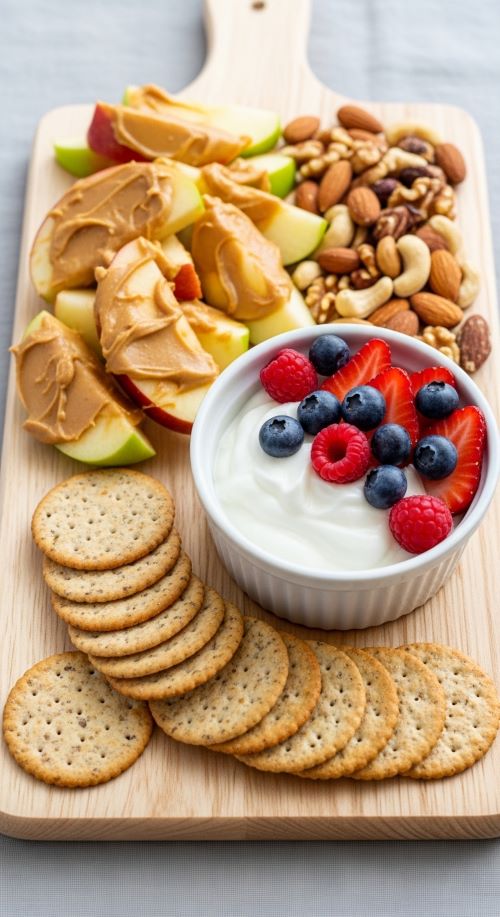
One of the biggest reasons snacks lead to guilt is imbalance. Snacks made only of sugar or refined carbohydrates often cause energy crashes, leaving you tired and craving more food shortly afterward.
A satisfying snack usually combines protein, healthy fats, and fiber-rich carbohydrates. This balance helps stabilize blood sugar, keeps you full longer, and supports consistent energy throughout the day.
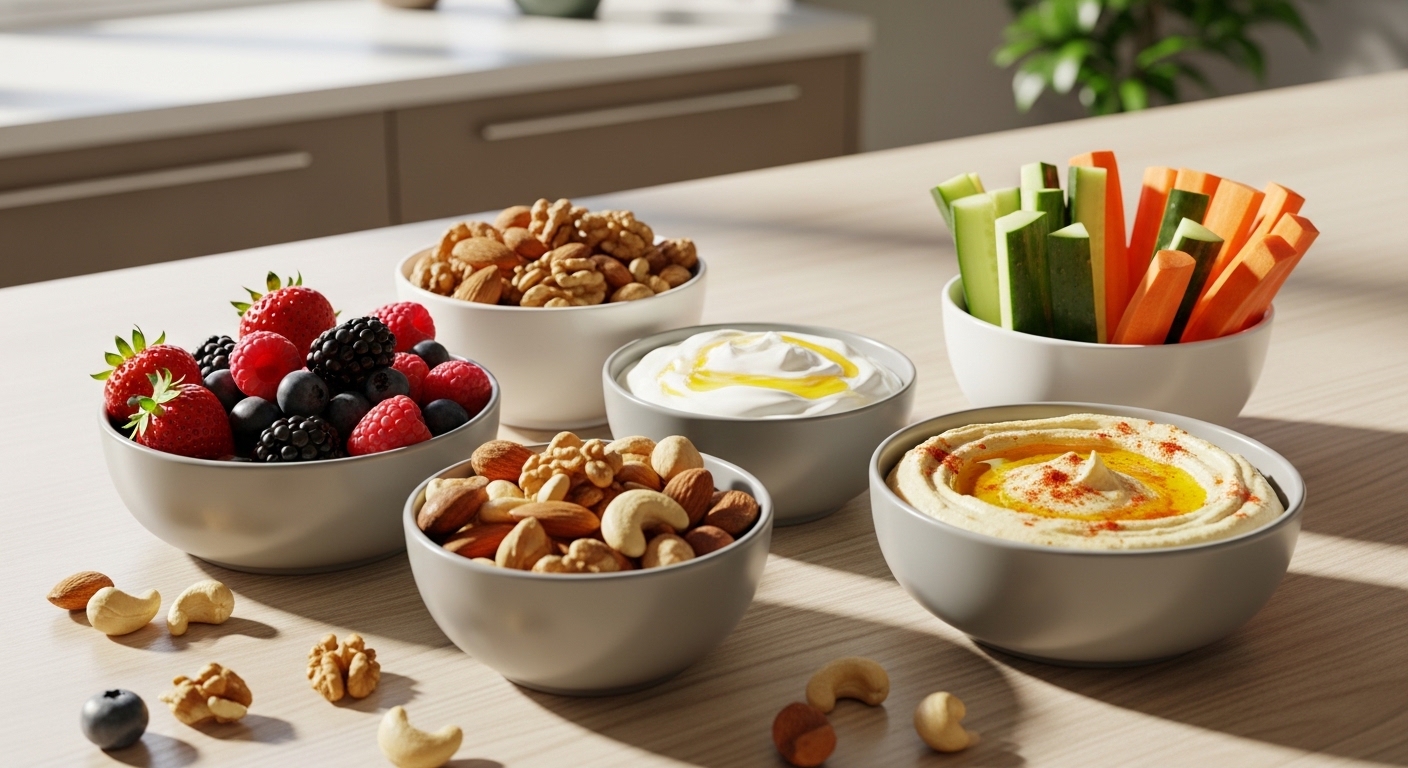
Think of simple combinations such as apple slices paired with peanut butter, Greek yogurt topped with berries, or whole-grain crackers served with cheese. These choices are filling because they nourish your body rather than just satisfying a temporary craving.
Balanced snacks shift your mindset from restriction to nourishment, which naturally reduces feelings of guilt.
Choose Nutrient-Dense Over Restrictive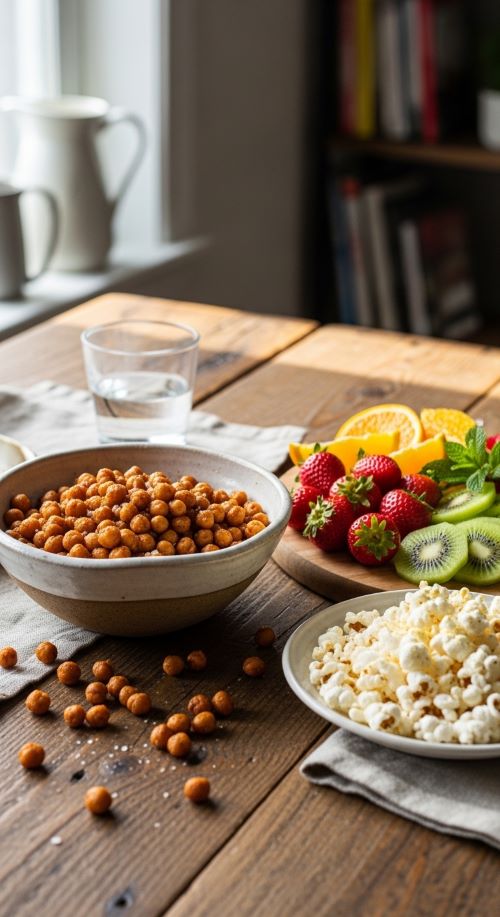
Healthy snacking does not require eliminating foods you enjoy. Instead of focusing on what you cannot eat, consider how to make your favorite snacks more nourishing.
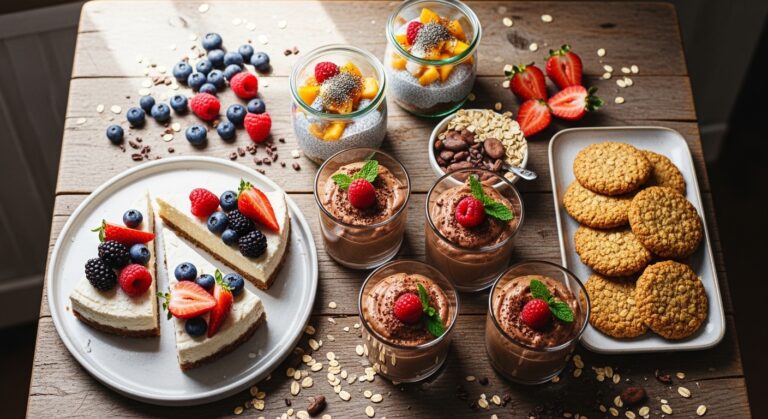
Small upgrades can transform familiar treats. Crunchy roasted chickpeas or air-popped popcorn can replace heavily processed chips. Dates paired with almond butter offer sweetness while providing fiber and healthy fats. Frozen blended bananas create a creamy dessert-like option without added sugars.
This approach keeps food enjoyable while improving nutritional value. When snacks satisfy both taste and nutrition, healthy eating feels sustainable rather than limiting.
Practice Mindful Snacking
Guilt often appears when eating happens automatically. Many people snack while scrolling their phones or watching television, barely noticing how much they have eaten.
Mindful snacking encourages you to slow down and truly experience your food. Placing snacks into a bowl instead of eating from the package helps you become aware of portions. Sitting down, taking slower bites, and paying attention to flavors allows satisfaction to arrive naturally.
When you give your snack full attention, you feel more fulfilled and less likely to continue eating out of habit.
Prep Snacks Ahead of Time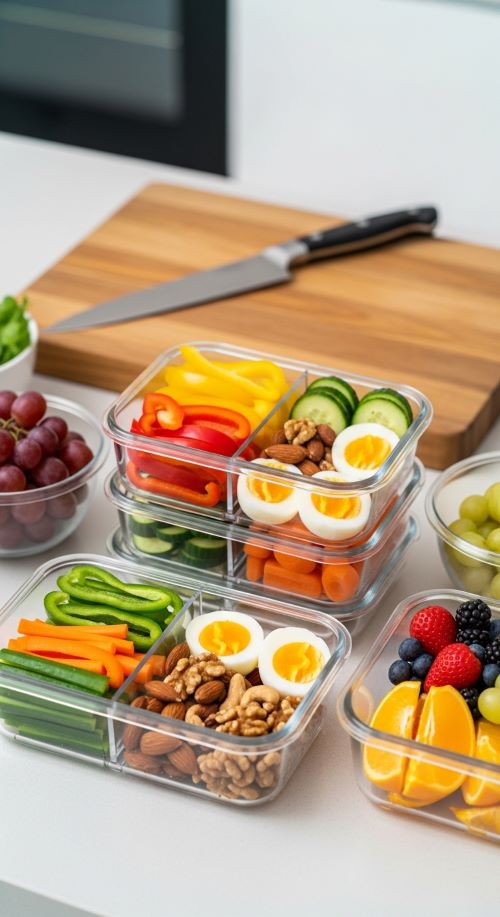
Healthy choices become easier when they are convenient. Hunger tends to push people toward whatever is fastest, which is often highly processed food.
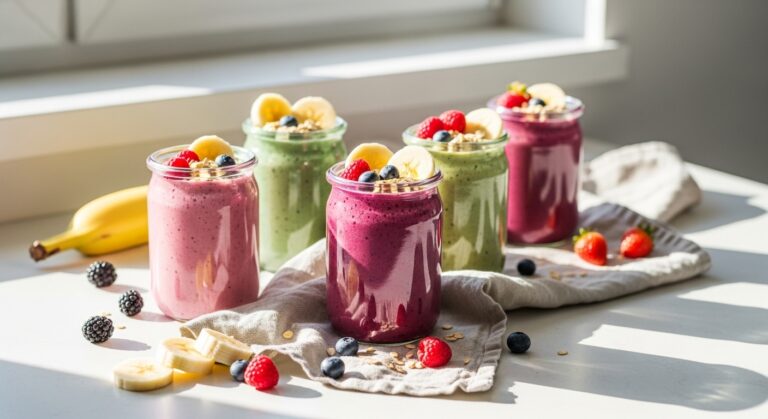
Preparing snacks ahead of time removes that struggle. Washing and slicing vegetables, portioning nuts, boiling eggs, or preparing smoothie ingredients in advance ensures nourishing options are always available. With preparation already done, grabbing a healthy snack becomes just as easy as reaching for packaged food.
Planning ahead turns healthy snacking into an effortless routine rather than a daily decision.
Allow Treats Without Shame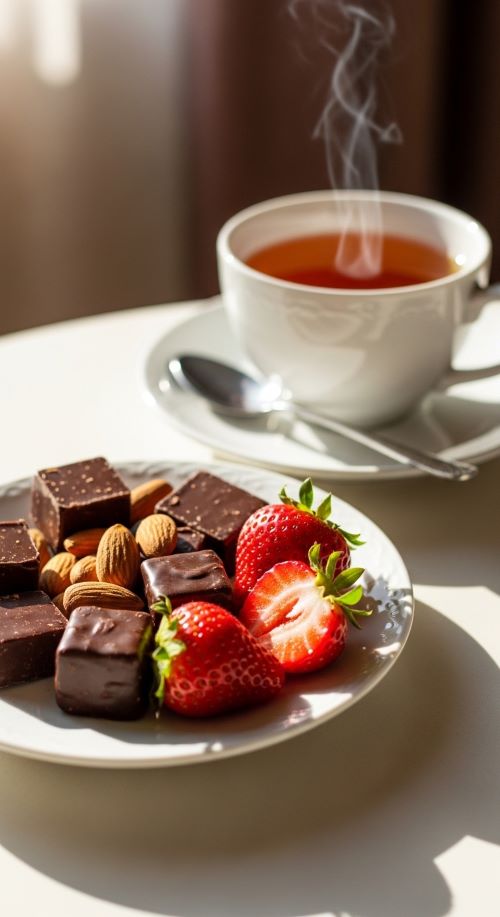
A truly healthy relationship with food includes enjoyment. Completely banning favorite snacks often leads to stronger cravings and eventual overeating.
Balance works better than restriction. Most of your snacks can be nourishing choices while still leaving room for treats you genuinely enjoy. A few squares of dark chocolate with almonds or a small dessert after a balanced meal can fit comfortably into a healthy lifestyle.
When no food feels forbidden, guilt fades away and eating becomes calmer and more intuitive.
Listen to Your Body’s Signals
Your body constantly communicates its needs through hunger and fullness cues. Learning to recognize these signals helps you snack with confidence instead of relying on external food rules.
Low energy, difficulty concentrating, or stomach hunger often signal the need for nourishment. Satisfaction arrives when hunger eases and energy improves without feeling overly full. Paying attention to these sensations helps you develop trust in your own eating habits.
Over time, this awareness makes healthy snacking feel natural rather than forced.
Make Healthy Snacking Enjoyable
Healthy habits last longer when they feel enjoyable. Turning snack time into a pleasant moment can transform the way you think about food.
Using attractive plates, trying new flavors, or taking a short break to relax while eating can make snacking feel like self-care. Combining textures such as crunchy, creamy, and fresh ingredients adds excitement and satisfaction to simple foods.
When enjoyment becomes part of the process, healthy choices stop feeling like obligations.
Final Words
Healthy snacking is not about perfection or strict food rules. It is about nourishing your body, honoring your hunger, and allowing yourself to enjoy food without judgment.
Start small by upgrading one daily snack, preparing one healthy option ahead of time, or practicing mindful eating for a few minutes each day. These simple changes create lasting habits that support both physical health and peace of mind.