How to Meal Plan Like a Pro Even If You’re Just Starting
Do you ever stare into your fridge at 6 PM, wondering what on earth to cook? Or maybe you end up ordering takeout more than you’d like to admit. Meal planning can feel overwhelming, especially if you’re just starting out—but it doesn’t have to be. With a few simple steps, you can turn chaos into calm and have nutritious, delicious meals ready all week long.
Meal planning isn’t just about saving time; it’s about creating a system that works for you, reducing stress, and helping you eat healthier without feeling restricted. Let’s break it down step by step.
Step 1: Start With a Simple Plan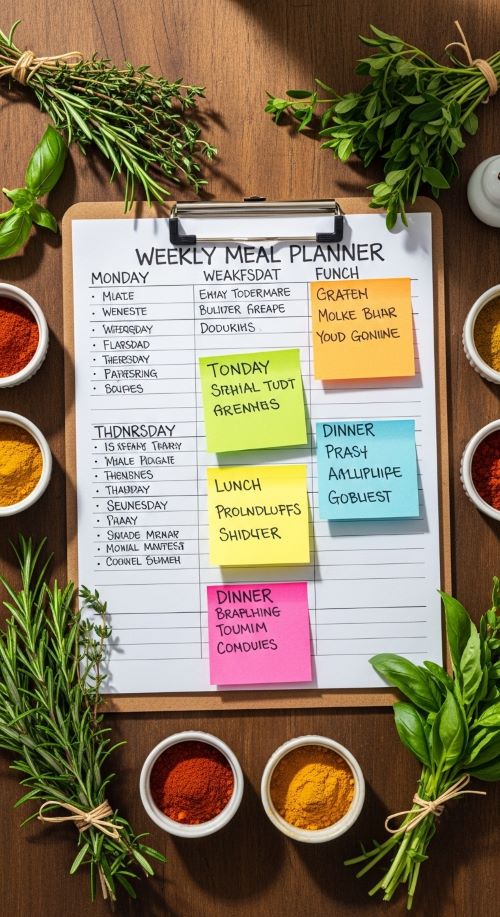
Before you hit the grocery store, you need a roadmap. Start small—no need to plan every single meal at first. Begin by planning dinners for three to five days, while breakfasts and lunches can be easier since they often repeat. Choosing a theme for the week, like “Meatless Monday” or “Taco Tuesday,” makes planning fun and predictable.
Don’t forget to check your calendar for busy nights where a quick meal or leftovers are best. The goal is progress, not perfection. Even a loose outline can make grocery shopping and cooking feel effortless.
Step 2: Make a Master Grocery List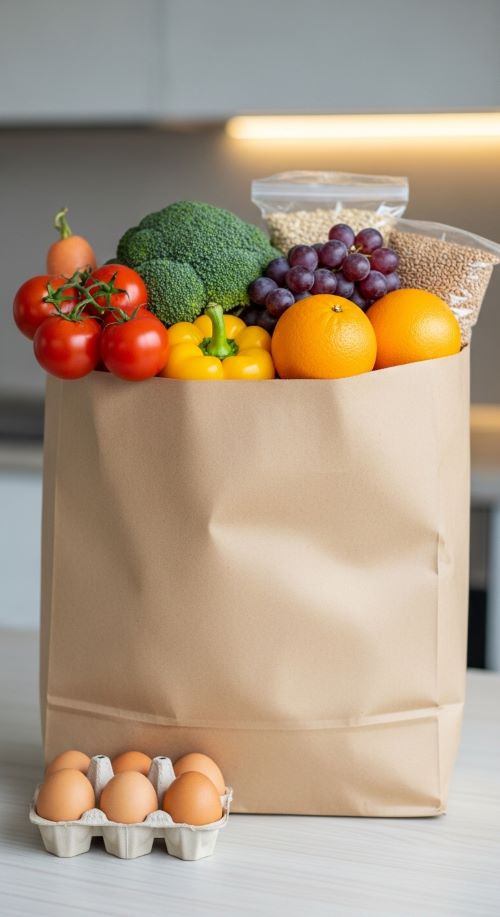
Once you know what meals you want to cook, it’s time to get organized. Group items by category—vegetables, proteins, grains, dairy, and snacks. This speeds up shopping and helps you avoid missing anything essential.
Check your pantry and cross off items you already have. There’s no need to buy what’s already sitting at home. When shopping, stick to your list to avoid impulse buys. A master list grows over time, and as you repeat meal planning each week, you’ll notice recurring staples that save both time and money.
Step 3: Prep Smart, Not Hard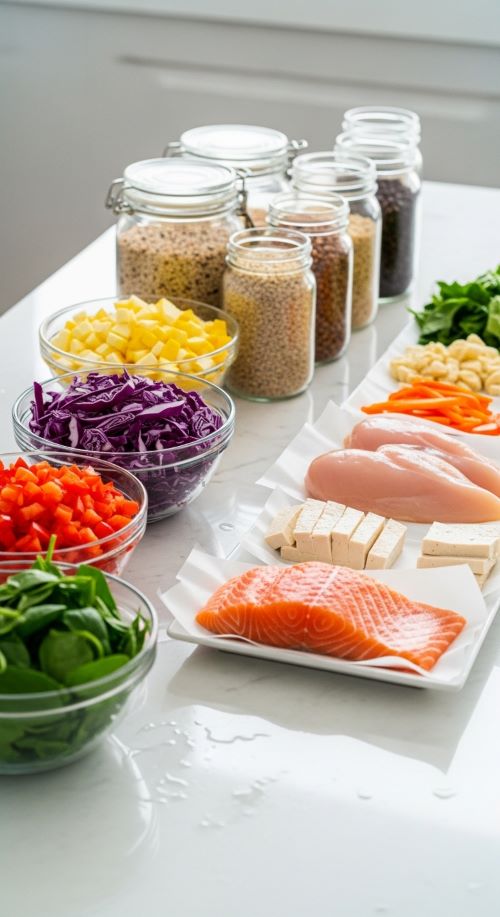
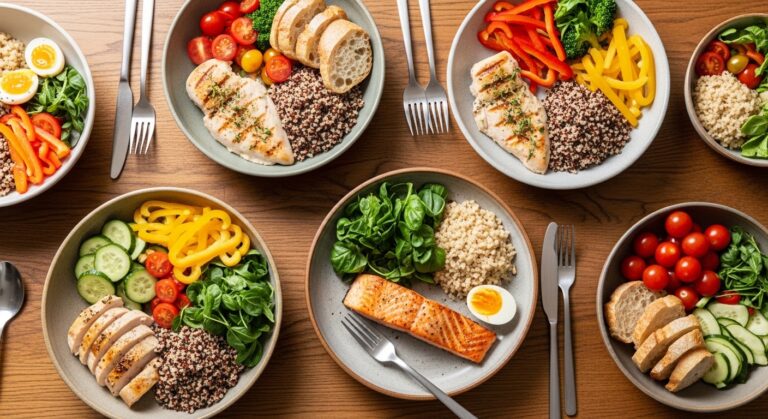
Meal prep doesn’t mean cooking everything in advance. It’s about small actions that make weeknight cooking easier. Wash and chop vegetables and store them in airtight containers for quick salads or stir-fries. Cook grains like quinoa, rice, or pasta in batches so they can be used in multiple meals. Portion proteins such as chicken, tofu, or beans into meal-sized containers.
Little prep steps each week can save hours later and make healthy eating much less stressful.
Step 4: Mix and Match Ingredients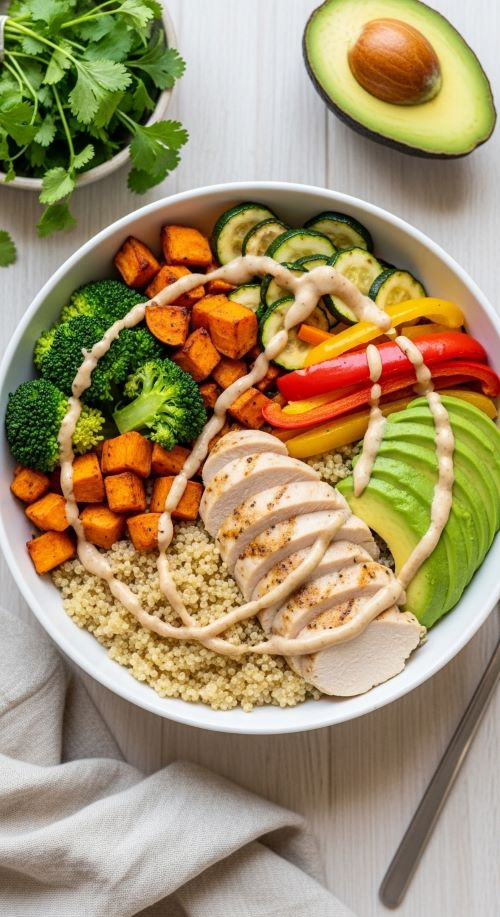
Once your staples are prepped, think of your meals like a recipe remix. Combine cooked proteins, grains, and vegetables in different ways to keep things interesting. Use sauces and spices to completely change flavors without extra effort. Leftovers can be repurposed: yesterday’s stir-fry can become today’s wrap or salad topping.
This approach reduces waste, ensures variety, and keeps meals exciting throughout the week.
Step 5: Keep It Flexible and Fun
Even the best-laid plans need wiggle room. Life happens, and it’s okay if a meal needs to shift. Swap meals when necessary, using freezer-friendly or pantry-friendly options when cooking isn’t possible. Experiment with one new recipe each week to keep things fresh. Celebrate small wins—successfully using a meal plan even a few times a week is progress.
Flexibility keeps you motivated. Meal planning should simplify life, not add extra pressure.
Final Words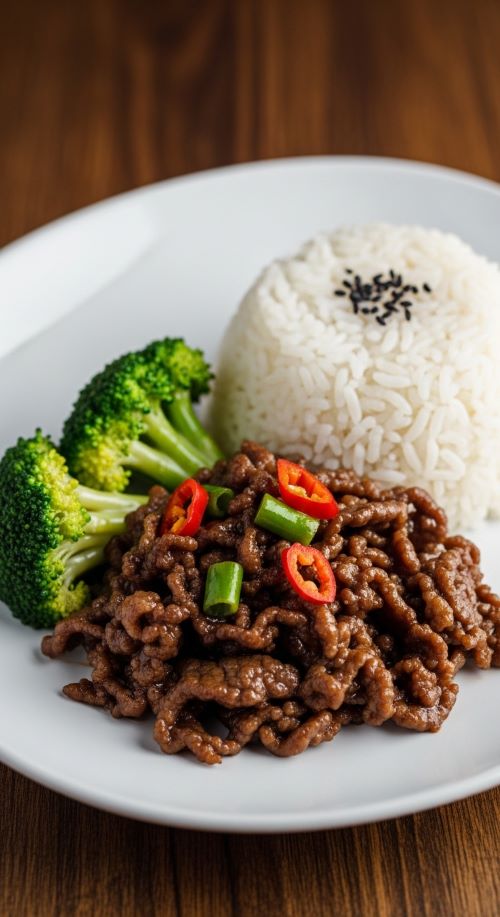
Meal planning might seem intimidating at first, but once you find your rhythm, it becomes second nature. Start small, prep smart, and don’t be afraid to remix ingredients for new flavors. Over time, you’ll save money, reduce food waste, and enjoy stress-free, wholesome meals every week.
Take a photo of your weekly plan or prep containers—it’s a fun way to track progress and inspire future meal ideas!