How to Cook Budget-Friendly Recipes Without Sacrificing Flavor
Eating well doesn’t have to mean emptying your wallet. With the right approach, you can create meals that are both delicious and budget-friendly. Imagine a cozy kitchen filled with the aroma of herbs and spices, simmering pots, and sizzling pans all without breaking the bank. The key is planning, smart shopping, and clever substitutions.
Here’s how to make every dollar count in the kitchen while still creating meals you’ll actually crave.
Start With Smart Ingredient Choices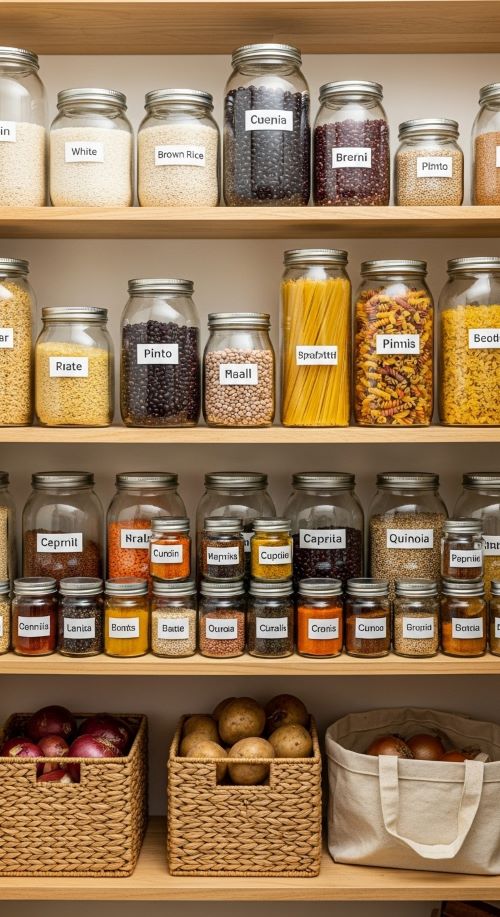
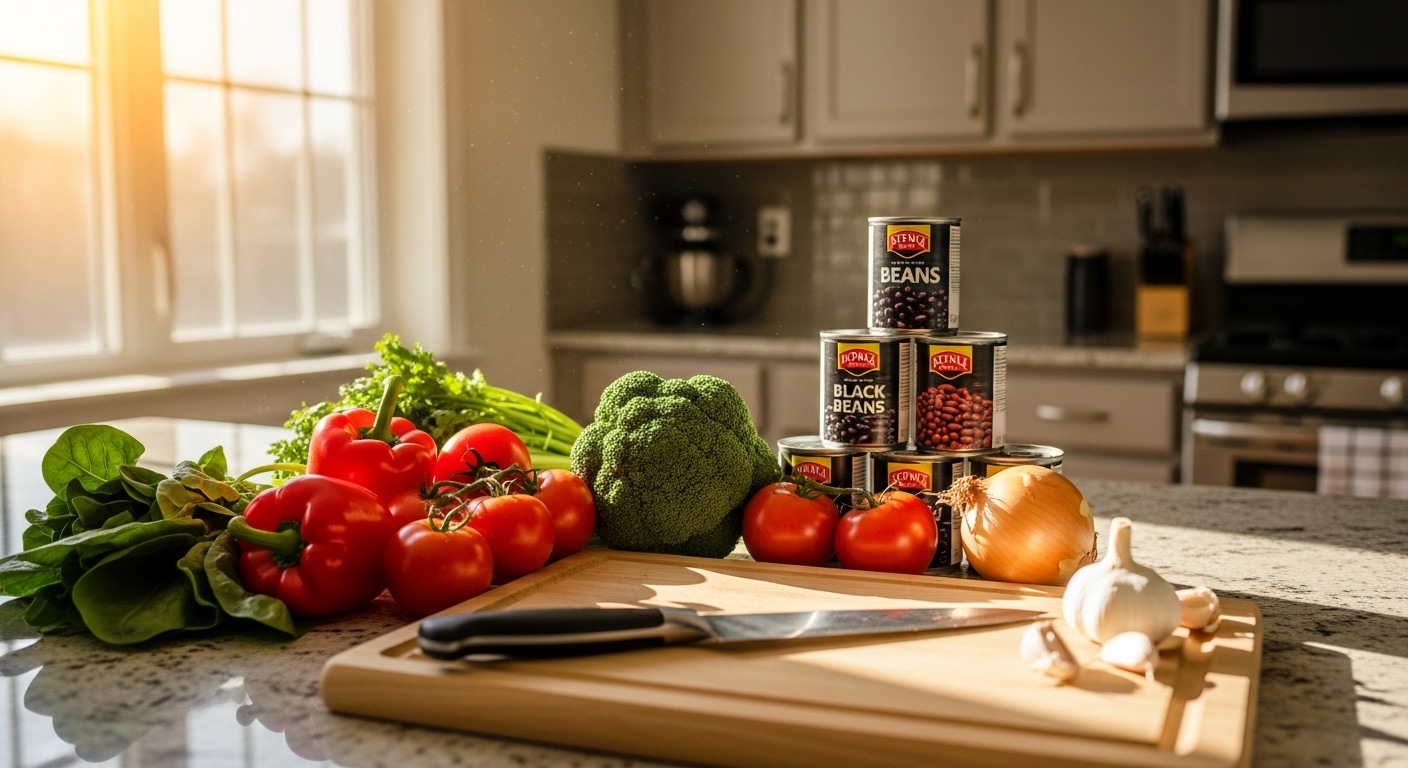
Cooking on a budget begins at the grocery store. Focus on ingredients that are versatile, affordable, and packed with flavor. Think beans, lentils, rice, pasta, seasonal vegetables, and frozen produce. Don’t overlook pantry staples like canned tomatoes, garlic, and onions—they form the base of countless dishes.
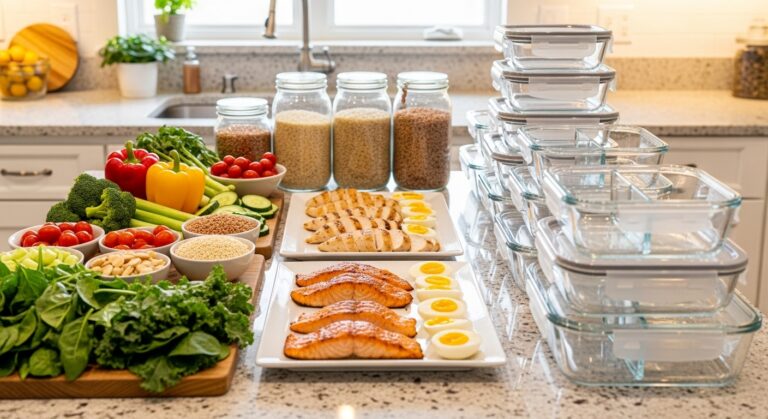
Buying in bulk can save money, especially for grains, legumes, and spices. Store them in airtight containers to keep them fresh. Also, plan meals around weekly store specials and seasonal produce—it’s amazing how much flavor you get from ingredients at their peak.
Master Simple Flavor Boosters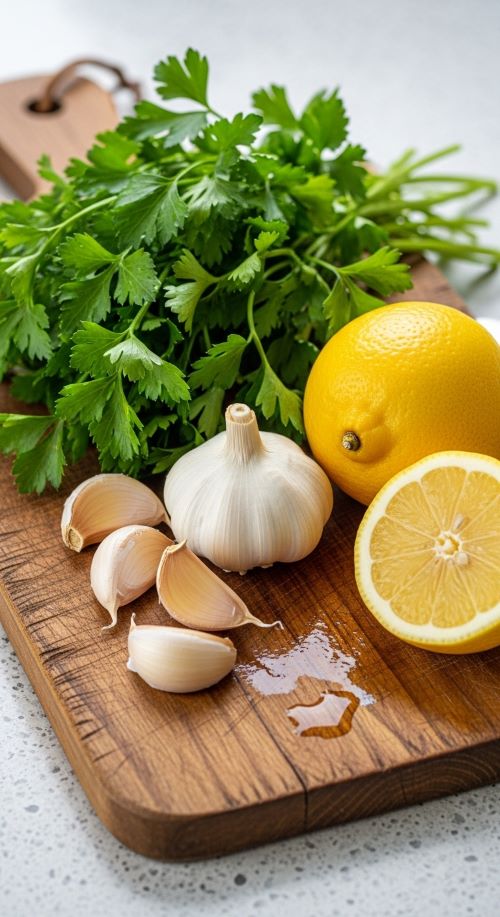
Budget-friendly doesn’t mean bland. Elevate your meals with simple flavor boosters: fresh herbs, citrus, soy sauce, vinegar, or even a pinch of chili flakes. A squeeze of lemon over roasted vegetables or a dash of garlic powder in soups can completely transform a dish.
Learning to make your own sauces and dressings is another game-changer. Homemade tomato sauce, vinaigrette, or yogurt-based dips are cheaper and taste fresher than store-bought options.
Cook in One-Pot or Sheet-Pan Meals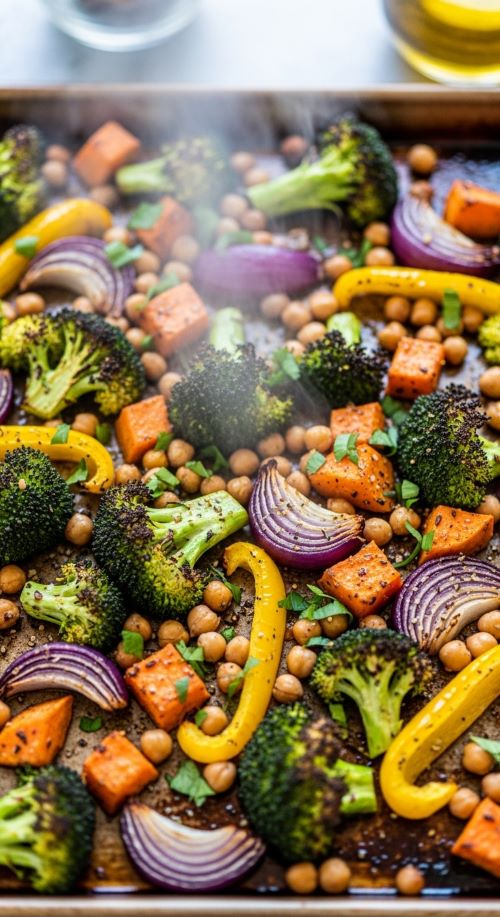
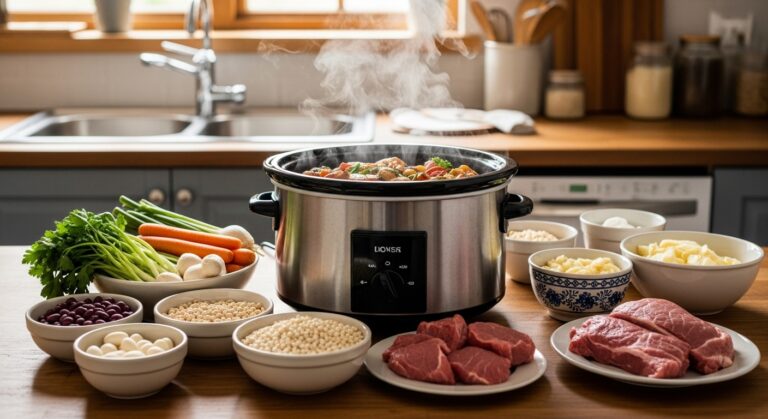
One-pot or sheet-pan meals are ideal for saving both time and money. They allow you to use fewer dishes, reduce cleanup, and stretch ingredients further. For instance, a hearty lentil stew or roasted vegetable tray can feed multiple meals without costing much.
Combine inexpensive proteins like beans or chicken thighs with seasonal veggies, herbs, and a touch of spice. Let everything cook together—flavors mingle, and you end up with a dish that tastes far more expensive than it is.
Embrace Leftovers and Batch Cooking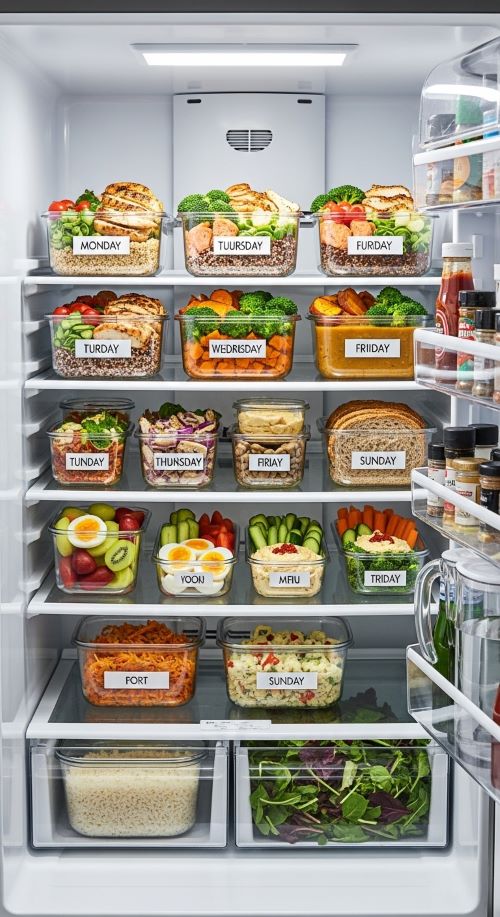
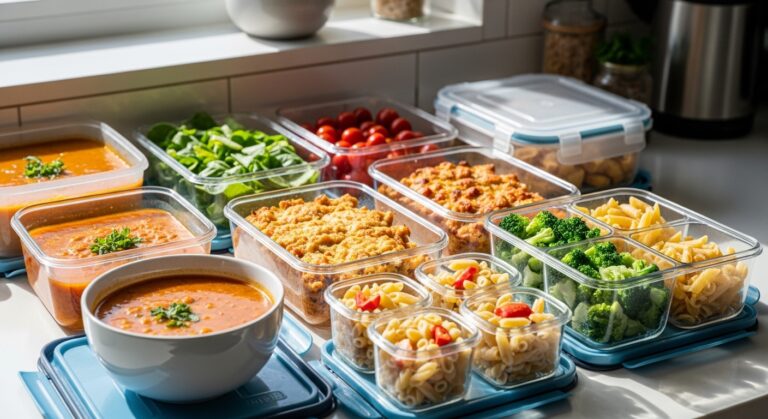
Leftovers aren’t boring—they’re opportunities to get creative. Roast a batch of vegetables and use them in soups, sandwiches, or stir-fries throughout the week. Cook extra rice or pasta to repurpose in salads or casseroles.
Batch cooking also helps reduce waste. A slow-cooker chili, big pot of curry, or baked pasta dish can last several meals, saving both money and time.
Make Simple Swaps to Save Money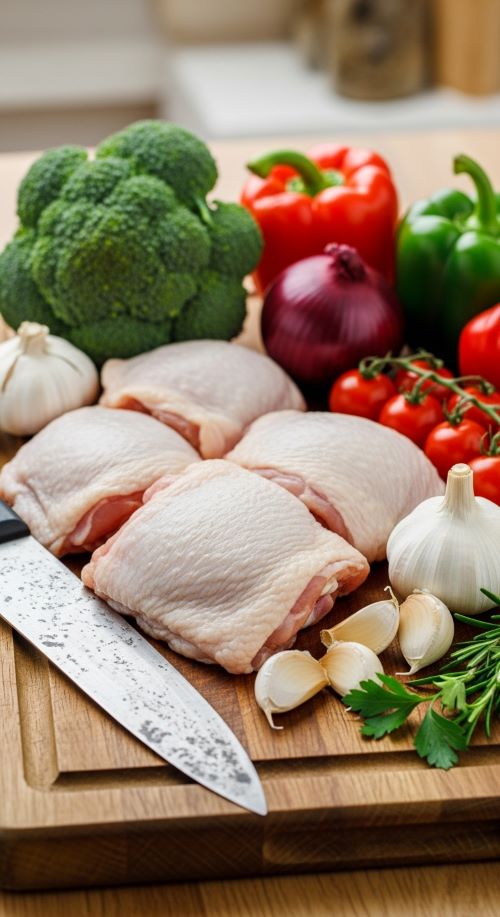
Sometimes small swaps make a huge difference. Use dried beans instead of canned, oats instead of pricey granola, or seasonal fruit instead of imported berries. Even substituting chicken thighs for breasts or buying whole fish instead of fillets can lower costs without sacrificing flavor.
Don’t forget the power of creativity. A simple stir-fry of frozen vegetables, a bit of soy sauce, and leftover rice can taste gourmet with the right seasoning and technique.
Final Touches Matter
Even simple dishes feel special with thoughtful finishing touches. Sprinkle fresh herbs, add a drizzle of good olive oil, or finish with a squeeze of citrus. Presentation makes a meal feel indulgent, even when it cost just a few dollars to make.
Cooking on a budget is about making the most of what you have and celebrating flavors without overspending.
Takeaway
Eating well and saving money can go hand in hand. Focus on smart shopping, simple flavor boosters, and batch cooking to stretch your budget without losing taste. With these strategies, you can enjoy meals that are satisfying, flavorful, and easy on your wallet.