How to Make Homemade Pizza Dough That Turns Out Perfect Every Time
There’s something magical about pulling a golden, bubbling pizza out of your own oven the smell, the crispy crust, the satisfaction of knowing you made it from scratch. And it all starts with the dough. If you’ve ever struggled with sticky, tough, or lifeless dough, don’t worry you’re about to master it.
Let’s break it down into simple, foolproof steps so your homemade pizza dough turns out perfect every single time.
Ingredients You’ll Need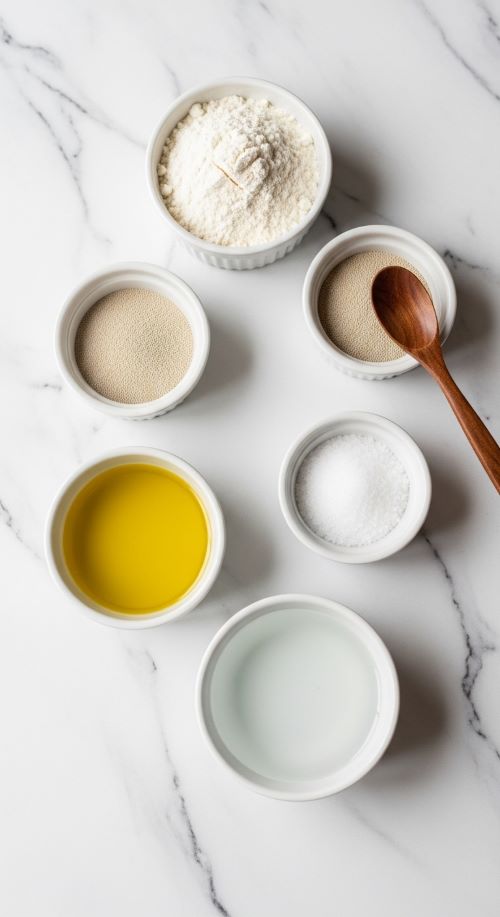
Great pizza dough doesn’t require anything fancy—just a few pantry staples.
You’ll need 3 ½ cups of all-purpose flour (or bread flour for extra chew), 1 ½ cups of warm water (not hot), 2 ¼ teaspoons of active dry yeast (about one packet), 2 tablespoons of olive oil, 1 teaspoon of sugar, and 1 teaspoon of salt.
Quick tip: Make sure your yeast is fresh. Expired yeast will result in flat, lifeless dough.
Step 1: Activate the Yeast
This is where the magic begins. In a bowl, combine the warm water, sugar, and yeast. Let it sit for about 5 to 10 minutes until the mixture becomes foamy.
If you don’t see any foam forming, your yeast may be inactive. It’s best to start over rather than risk wasting your ingredients.
This step is essential because it activates the yeast, which helps your dough rise and develop that light, airy texture.
Step 2: Mix the Dough
Once your yeast is bubbly and ready, stir in the olive oil and salt. Gradually add the flour, one cup at a time, mixing as you go.
Keep stirring until a soft dough begins to form. At this stage, the dough should feel slightly sticky but still easy to handle.
Step 3: Knead Until Smooth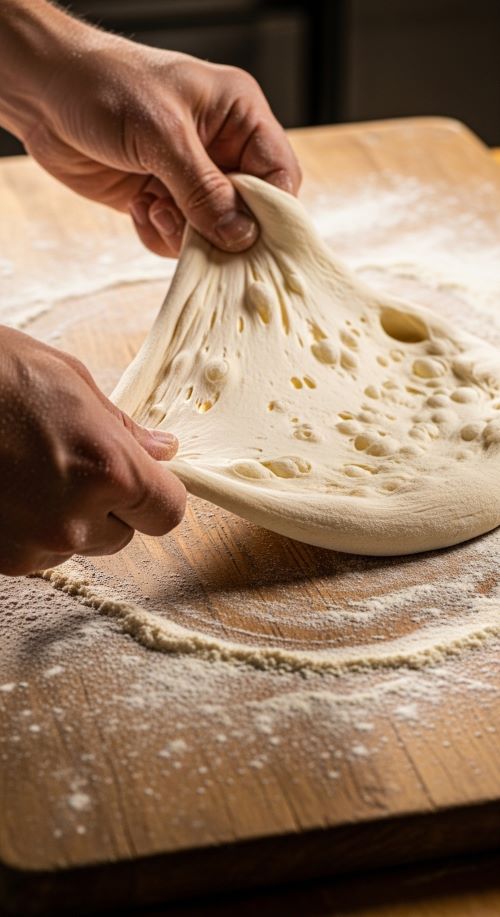
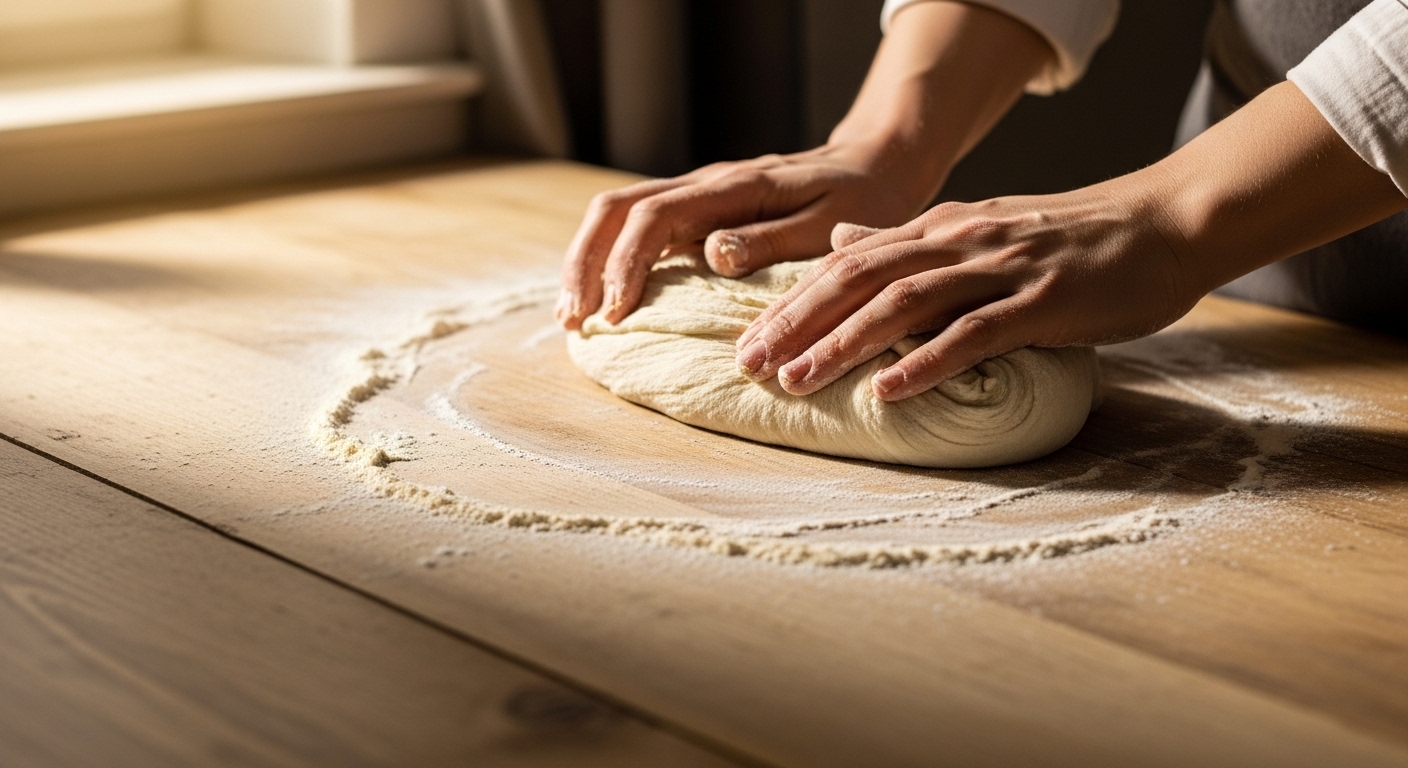
Now it’s time to get hands-on. Transfer the dough to a lightly floured surface and knead it for about 8 to 10 minutes.
To knead properly, push the dough forward with the heel of your hand, fold it back over itself, then rotate and repeat the process. As you work, the dough will become smooth, elastic, and soft.
You’ll know it’s ready when it springs back lightly when pressed and stretches without tearing.
Step 4: Let It Rise
Patience is key in this step. Place your dough in a lightly oiled bowl and cover it with a towel or plastic wrap. Let it rise in a warm place for about 1 to 2 hours, or until it has doubled in size.
If your kitchen feels cold, a simple trick is to place the bowl inside your oven (turned off) with just the light on. This creates a cozy environment for the dough to rise.
This resting period allows the dough to develop air pockets, giving your crust that soft and airy interior.
Step 5: Shape Your Dough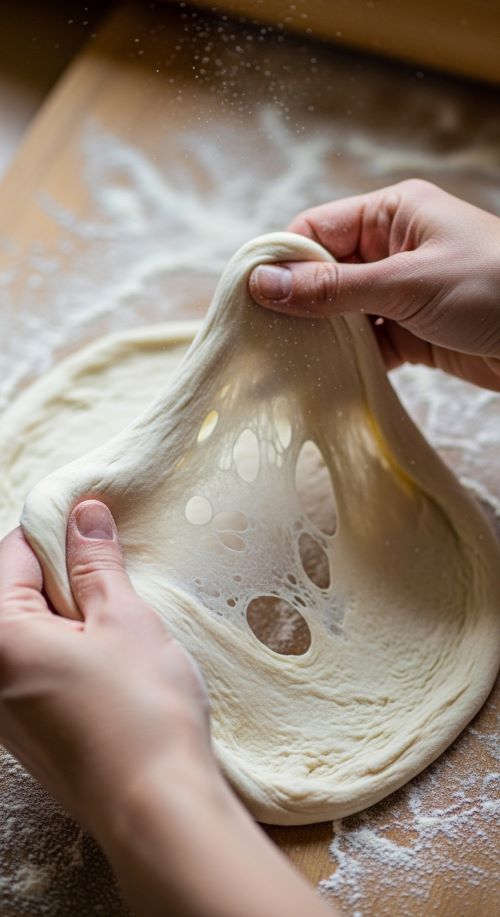
Once the dough has risen, gently punch it down to release excess air. Divide it into two or three portions, depending on the size of pizzas you want to make.
Roll or stretch each portion into your desired shape. Try not to overwork the dough, as gentle handling helps maintain its light texture.
If the dough keeps shrinking back while shaping, let it rest for a few minutes before trying again. This helps relax the gluten and makes shaping much easier.
Step 6: Add Toppings & Bake
Now comes the fun part. Preheat your oven to its highest setting, usually between 230–250°C (450–480°F).
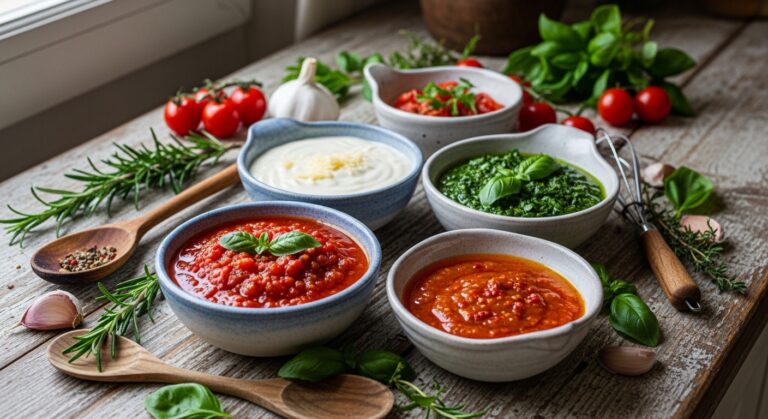
Spread your favorite sauce over the dough, add cheese, and layer on your toppings. Bake the pizza for about 10 to 15 minutes, or until the crust turns golden and the cheese is bubbling.
For an extra crispy base, bake your pizza on a preheated baking tray or pizza stone and place it on the lowest rack of the oven.
Tips for Perfect Pizza Dough Every Time
Using warm—but not hot—water is crucial, as water that’s too hot can kill the yeast. Measuring your flour correctly also makes a big difference; spoon it into your measuring cup and level it off instead of packing it down.
Allowing the dough enough time to rise is essential for achieving the right texture. While kneading, avoid adding too much extra flour, as this can make the dough tough.
Letting the dough rest whenever it feels tight or difficult to shape will make the process smoother and more enjoyable.
Make It Your Own
Once you’ve mastered the basic dough, feel free to get creative. You can mix in garlic powder or dried herbs for extra flavor, swap in whole wheat flour for a healthier option, or brush the crust edges with olive oil for a beautifully golden finish.
Homemade pizza dough is incredibly versatile and quickly becomes a favorite in any kitchen.
Final Words
Making pizza dough from scratch might seem intimidating at first, but once you try it, you’ll see just how simple and rewarding it can be.
The flavor, texture, and freshness are unmatched—and you get to customize everything to your taste.
Save this recipe for later and make your next pizza night unforgettable!