How to Make High-Fat Keto Meals That Actually Taste Good
Let’s be honest—when most people hear “high-fat keto meals,” they picture bland, greasy plates that feel more like a chore than a treat. But here’s the truth: keto food can be incredibly rich, satisfying, and downright delicious when you know how to balance flavors and textures.
The secret isn’t just adding more fat—it’s using the right fats, pairing them with bold ingredients, and cooking them in ways that bring out their best.
Understand the Role of Fat (It’s Not Just About Quantity)
On keto, fat is your main energy source—but dumping butter on everything isn’t the answer. Flavor comes from how you use fat.
Choose fats that actually taste good on their own, like rich butter (especially browned for a nutty flavor), extra virgin olive oil for finishing, coconut oil for a subtle sweetness, heavy cream for luxurious sauces, and flavorful cheeses like parmesan or cheddar.
Think of fat as a flavor enhancer rather than just a requirement. It carries spices beautifully, adds a satisfying mouthfeel, and helps balance salt, acidity, and heat. Instead of focusing on adding more fat, focus on combining fats in a way that builds depth and richness.
Build Flavor Layers (This Changes Everything)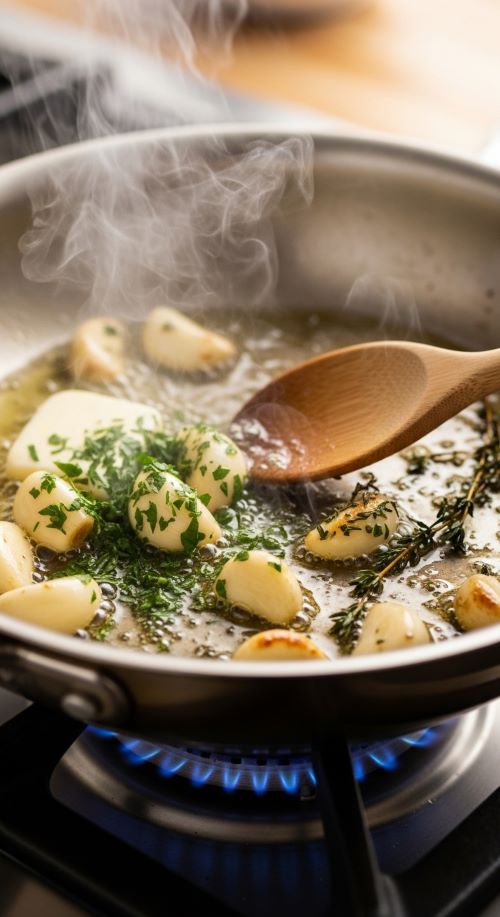
Great keto meals aren’t one-dimensional—they’re layered with flavor from start to finish.
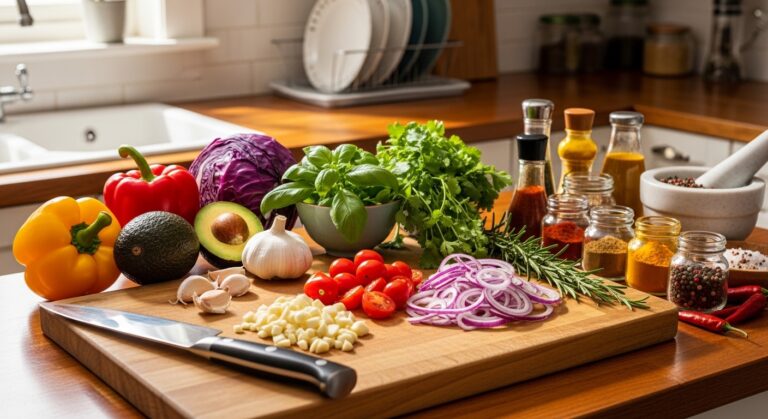
Start with a base like garlic sautéed in butter, onion softened in olive oil, or ginger cooked in coconut oil. This creates a strong foundation. Then build depth by adding spices such as paprika or chili flakes, fresh herbs like parsley or thyme, and a touch of acidity from lemon juice or vinegar.
For example, a creamy garlic butter chicken becomes much more exciting with a squeeze of lemon and fresh thyme. A coconut curry comes alive when you add chili and lime. This layering prevents high-fat meals from feeling too heavy or repetitive.
Focus on Texture (Crispy + Creamy = Magic)
Texture plays a huge role in making keto meals satisfying and crave-worthy.
Instead of serving everything soft and rich, aim to combine textures. A crispy exterior with a creamy interior creates contrast that makes every bite interesting. Pan-searing meat until golden and crisp, roasting vegetables until they develop caramelized edges, and pairing those with smooth sauces creates a much better eating experience.
Imagine biting into crispy chicken skin paired with a velvety sauce—it’s far more satisfying than something that’s simply soft and oily. Texture is often the missing piece in bland keto meals.
Use Simple Keto-Friendly Ingredients That Shine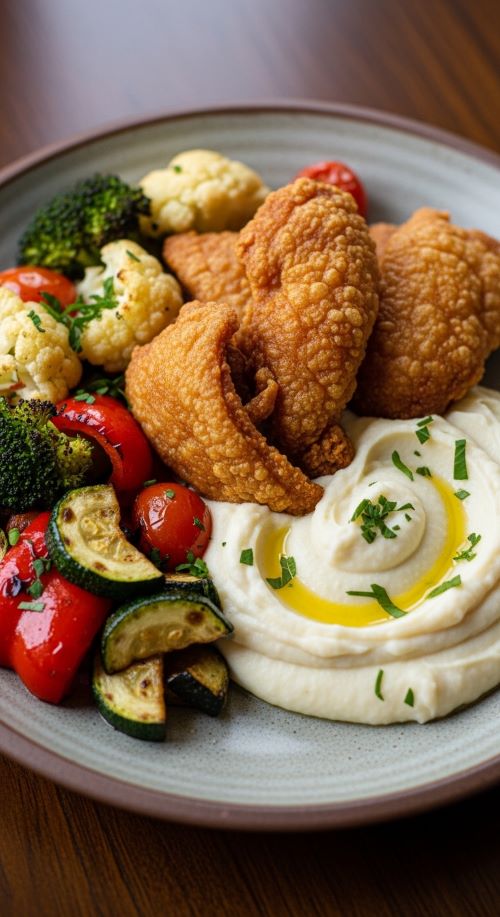
You don’t need complicated recipes to make delicious keto food. Simple, high-quality ingredients can do most of the work for you.
Ingredients like eggs, avocados, cheese, fatty cuts of meat such as chicken thighs or salmon, and low-carb vegetables like zucchini, spinach, and cauliflower are incredibly versatile. When cooked properly and paired with the right fats, they can create meals that feel indulgent and satisfying.
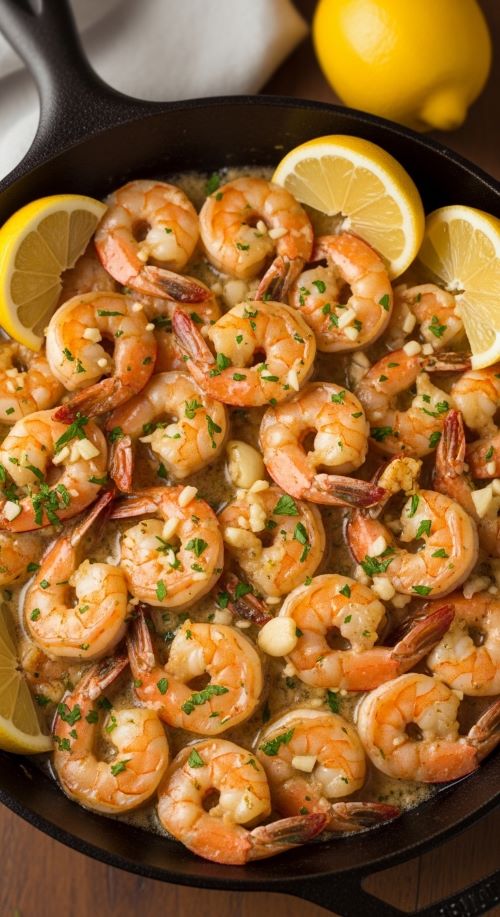
A quick example is creamy garlic butter shrimp. When shrimp is sautéed in butter and garlic, then combined with cream and parmesan and finished with a squeeze of lemon, the result is rich, flavorful, and ready in minutes.
Don’t Forget Seasoning (This Is Where Most People Fail)
One of the biggest reasons keto meals fall flat is lack of seasoning.
Salt enhances every ingredient and brings out natural flavors, while pepper adds gentle heat. Acid, like lemon juice or vinegar, is essential because it cuts through the richness of high-fat dishes and keeps them from feeling too heavy.
Flavor boosters like mustard, soy sauce or coconut aminos, chili oil, and smoked paprika can completely transform a dish. High-fat food needs bold seasoning to shine, so don’t be shy about tasting and adjusting as you cook.
Make Sauces Your Secret Weapon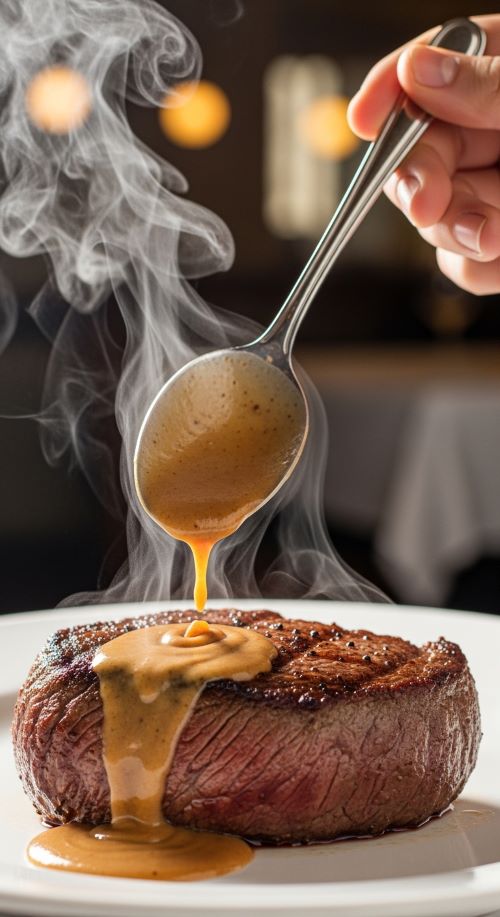
If you want to elevate your keto meals instantly, focus on sauces. A well-made sauce can turn a simple dish into something memorable.
A garlic butter sauce, creamy mushroom sauce, cheese sauce, or even an avocado lime dressing can completely change the experience of a meal. The key is balancing fat with strong flavors and a touch of acidity.
For example, combining butter with garlic and lemon creates a simple yet powerful sauce that works beautifully with chicken, fish, or vegetables.
Keep It Simple (But Delicious)
Keto cooking doesn’t have to be complicated to be good. In fact, simplicity often leads to the best results.
Think of your meals as a combination of a protein, a quality fat, some low-carb vegetables, and a flavorful sauce or seasoning. When these elements are balanced, you can mix and match endlessly to create new meals without getting bored.
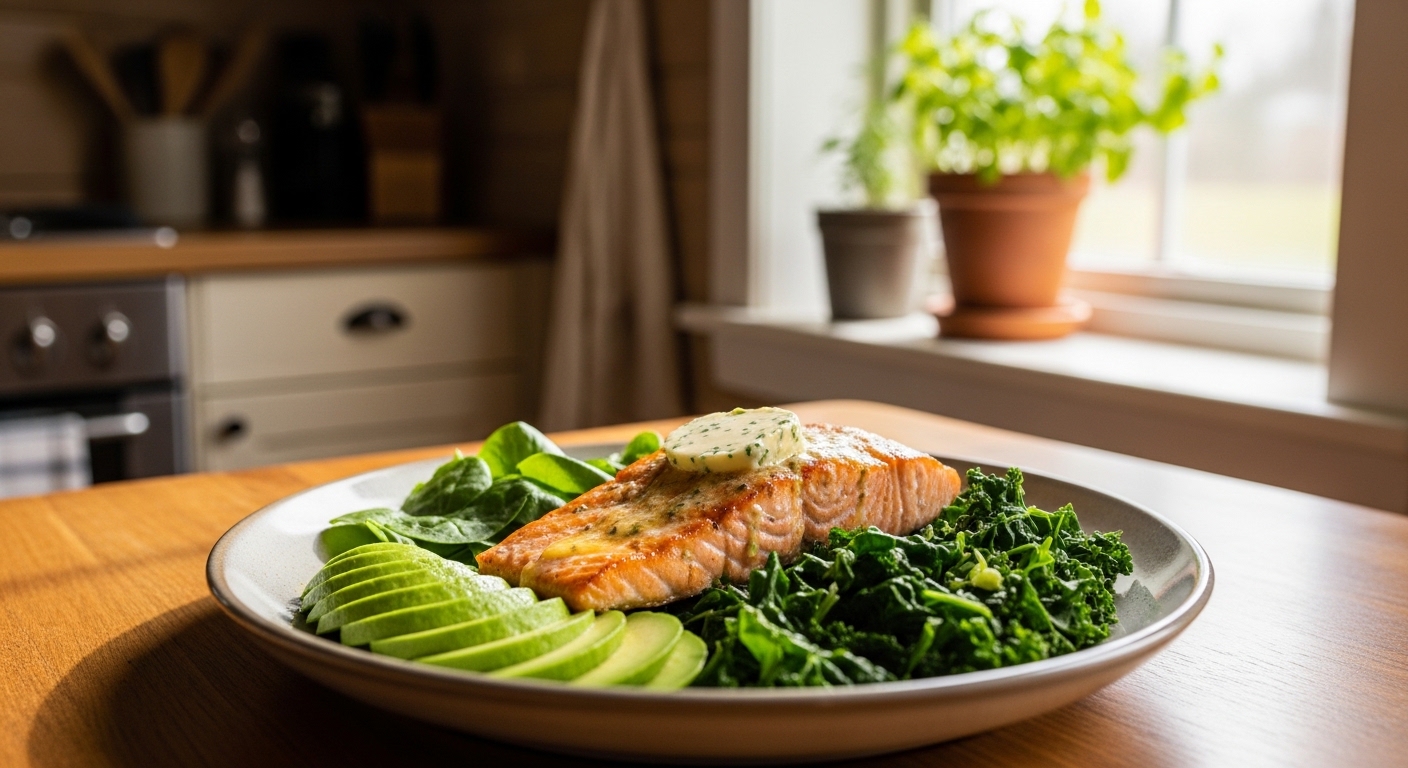
A piece of salmon with avocado and lemon butter, or beef with cheese and sautéed mushrooms, can feel just as satisfying as a complex recipe when done right.
Final Words
Making high-fat keto meals that actually taste good comes down to understanding balance. It’s about using fats wisely, layering flavors, creating texture, and seasoning confidently.
Once you start thinking this way, keto meals stop feeling restrictive and start feeling indulgent and exciting.
Save this guide for later and try one new keto meal this week—you might be surprised at just how delicious healthy eating can be.