25 Meal Planning Ideas for Beginners That Will Change Your Life
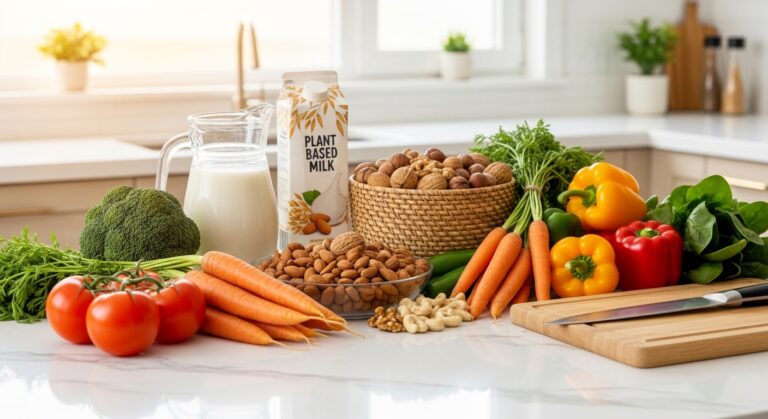
Meal planning can feel overwhelming at first, but it quickly becomes one of the simplest ways to save time, cut grocery costs, and reduce daily stress. When you have a plan, you stop guessing what to cook and avoid last-minute takeout. The ideas below are beginner-friendly, practical, and easy to follow. Each one focuses on simple habits you can start today using everyday ingredients and basic tools.
Start With a Simple Weekly Plan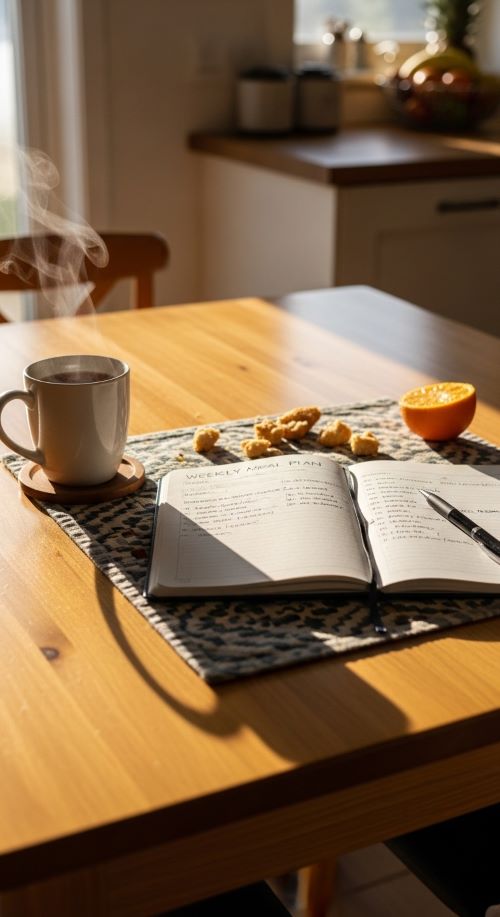
Starting small makes meal planning easier. Sit down once a week and map out your meals for the next few days. You don’t need a full seven-day plan right away. Try planning just three or four dinners first. This keeps things manageable and helps you build the habit without pressure. Use meals you already know how to cook. That saves time and reduces stress. Write your plan on paper or use your phone. Keep it visible so you don’t forget. A simple plan also helps you shop smarter. You only buy what you need, which cuts waste and saves money. Over time, this routine becomes second nature. You’ll spend less time thinking about food and more time enjoying it.
Plan Around What You Already Have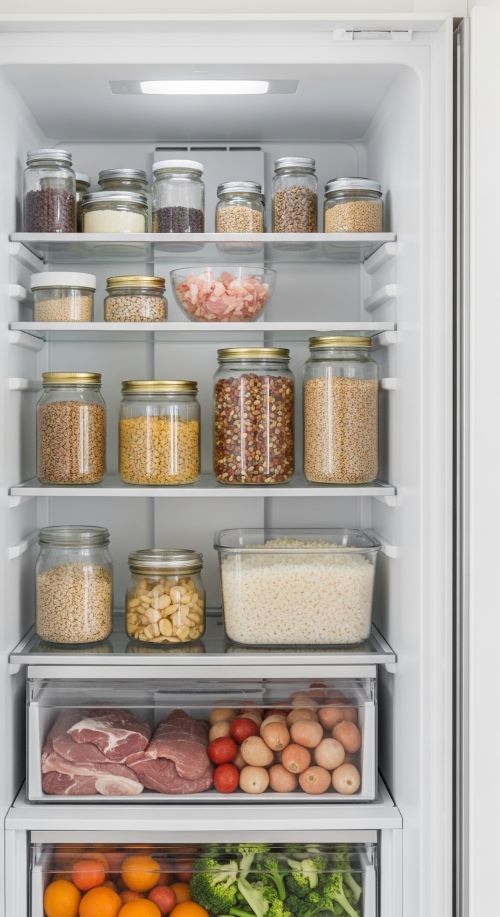
Before making a new plan, check your fridge and pantry. Many beginners skip this step and end up buying items they already own. Look for vegetables, grains, or proteins that need to be used soon. Build your meals around them. For example, leftover rice can turn into fried rice or a quick stir-fry. This habit saves money and reduces food waste. It also sparks creativity in the kitchen. You don’t need fancy ingredients to make a good meal. Simple combinations often work best. Keep a mental note of what you use often so you can plan smarter next time.
Use a Rotating Meal List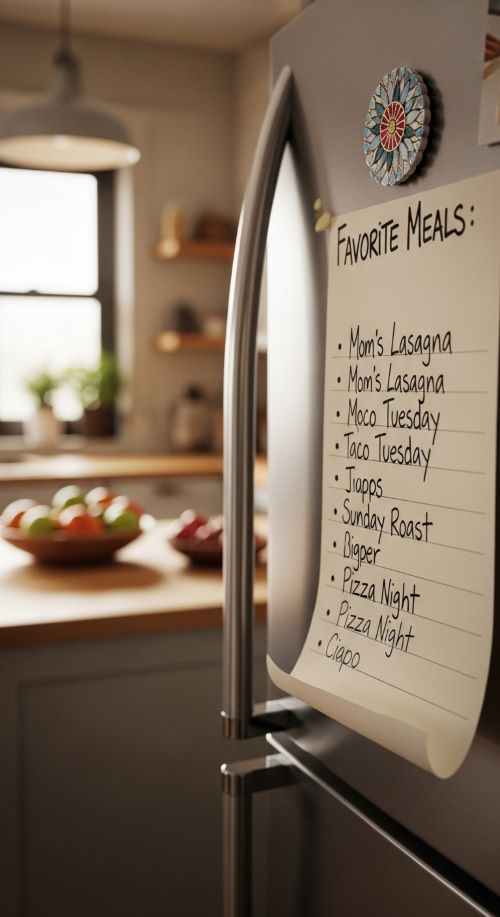
Instead of thinking of new meals every week, create a list of your go-to dishes. Rotate them regularly. This removes the stress of decision-making. Your list can include easy meals like pasta, stir-fries, or baked chicken. Over time, you’ll build a collection of recipes you trust. This approach saves time and keeps your routine simple. You can still try new meals occasionally, but your core list gives you a strong base. It also makes grocery shopping faster since you already know what to buy.
Batch Cook Once, Eat Twice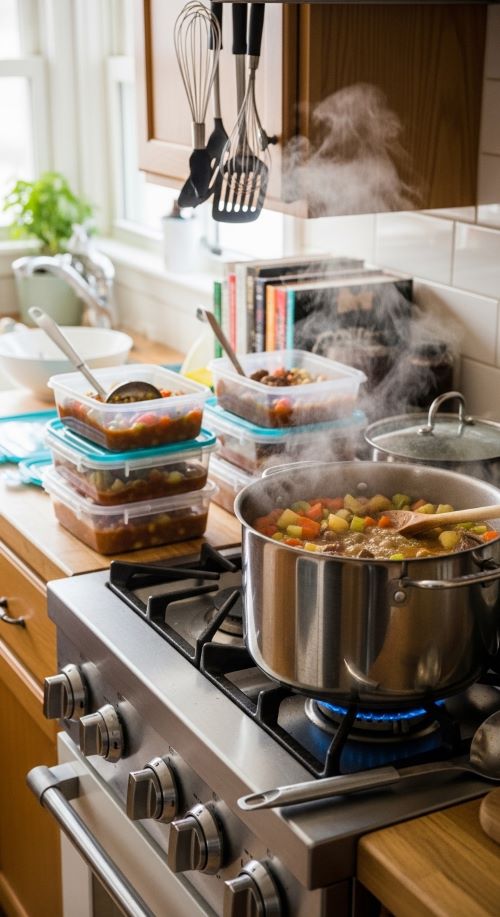
Cooking larger portions can save hours during the week. Make double batches of meals like soups, rice, or pasta. Store the extra portions in the fridge or freezer. This way, you always have a ready meal on busy days. It reduces the urge to order takeout. Batch cooking also helps with budgeting since buying ingredients in larger amounts is often cheaper. Start with one or two meals and expand as you get comfortable. It’s a simple habit with big rewards.
Prep Ingredients in Advance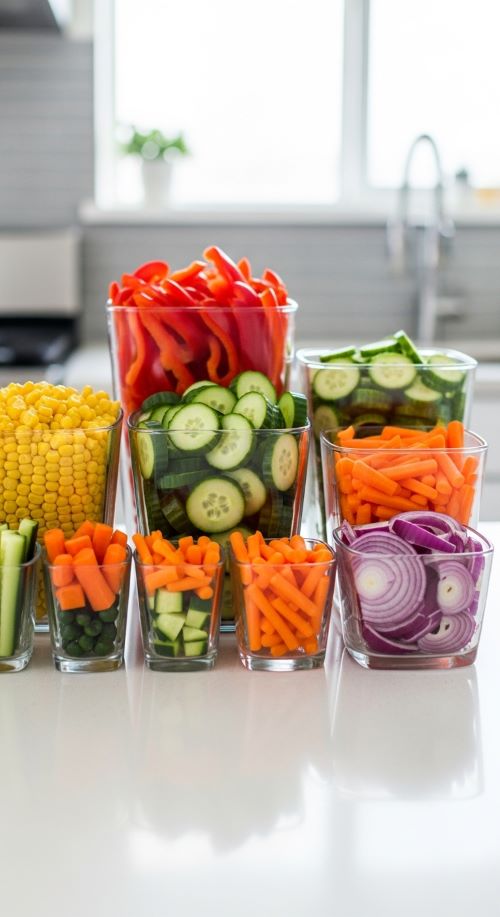
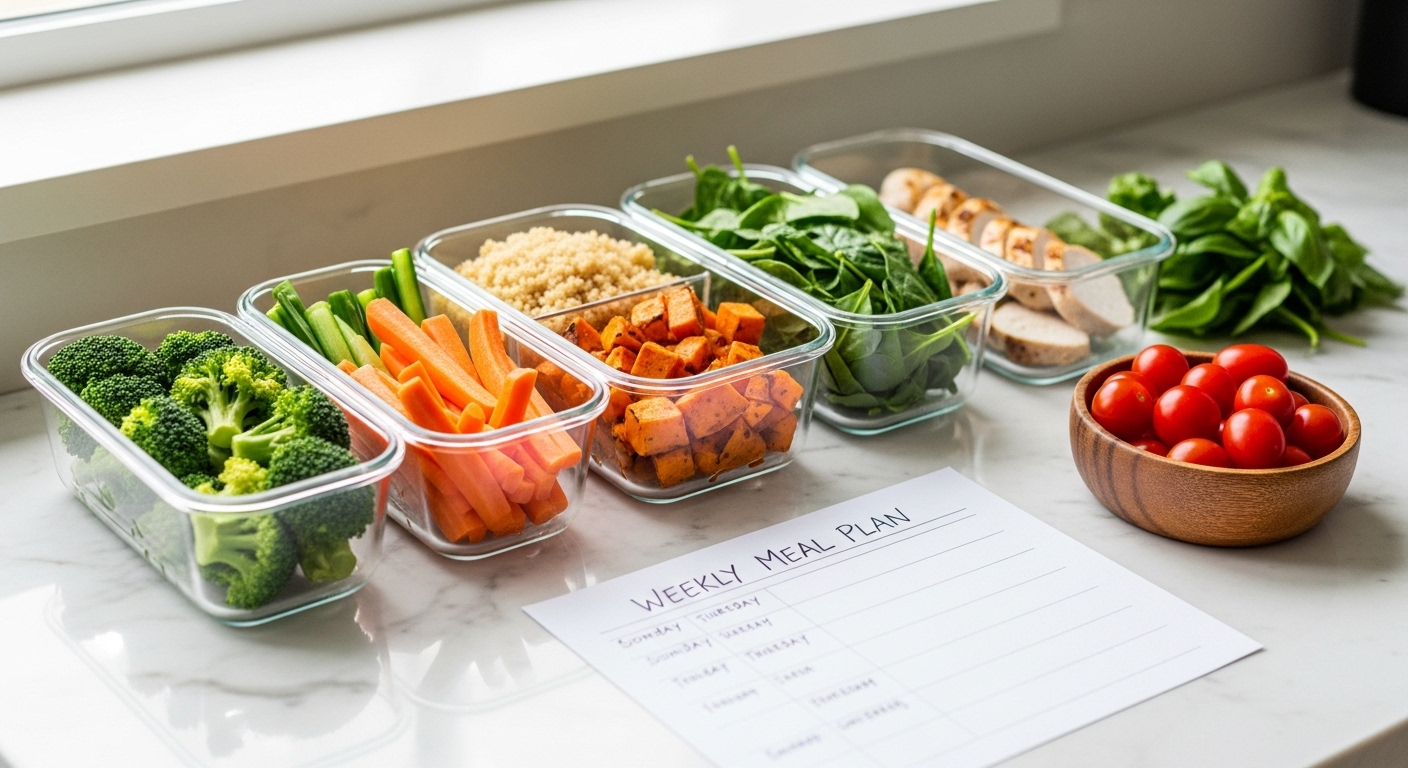
Prepping ingredients ahead of time makes cooking much faster. Wash and chop vegetables when you return from grocery shopping. Store them in airtight containers. You can also marinate proteins in advance. This cuts cooking time in half during the week. It’s especially helpful after long workdays when energy is low. Having ready-to-use ingredients makes healthy eating easier. You’re less likely to reach for fast food when everything is prepared.
Keep Breakfast Simple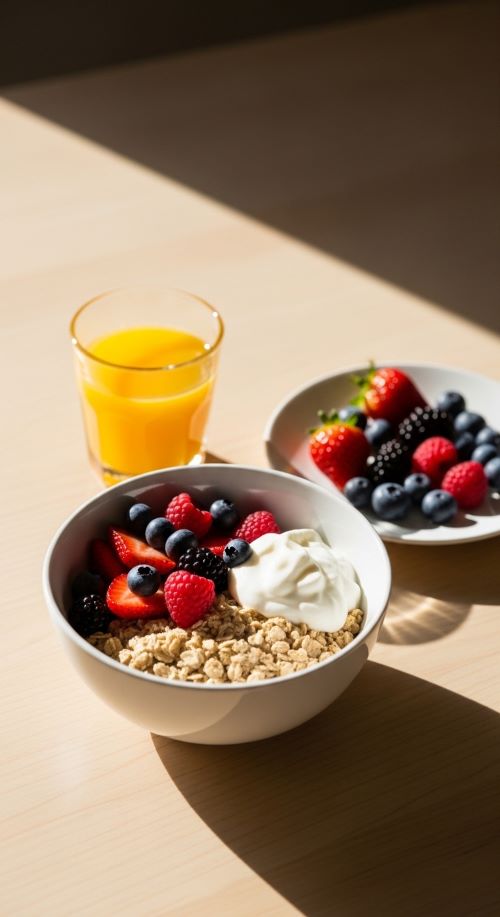
Breakfast doesn’t have to be complicated. Stick to easy options like oats, eggs, or yogurt. Prepare overnight oats or boil eggs in advance. This saves time in the morning and keeps your routine steady. A simple breakfast also reduces decision fatigue. You start your day with less stress and more focus. Keep ingredients basic and affordable. Consistency matters more than variety here.
Choose One-Pot Meals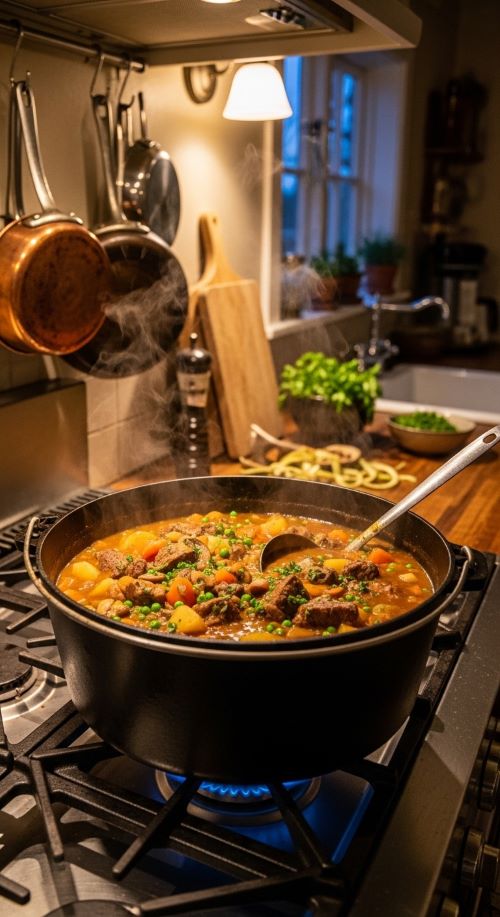
One-pot meals are perfect for beginners. They are easy to cook and require less cleanup. Dishes like soups, stews, and rice meals fit well into meal planning. You combine ingredients in one place and let them cook together. This saves time and effort. It also reduces the number of dishes you need to wash. One-pot meals are budget-friendly too since they often use simple ingredients.
Build Meals Around a Protein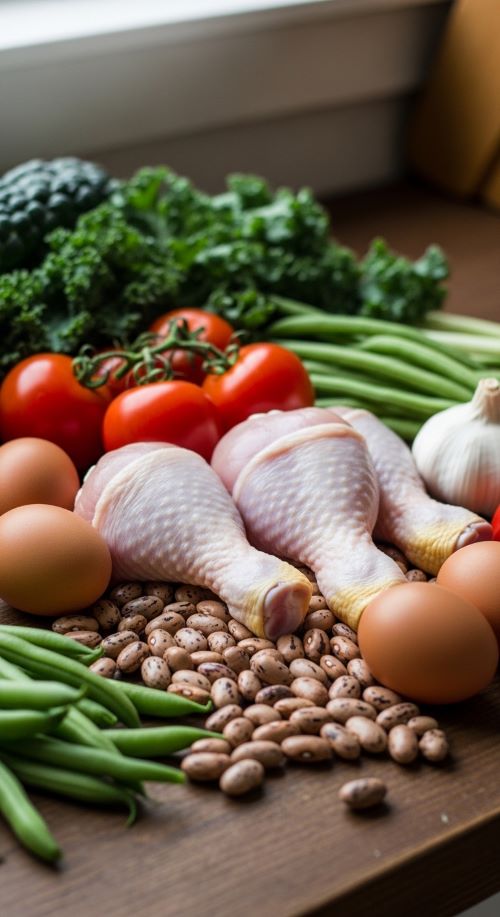
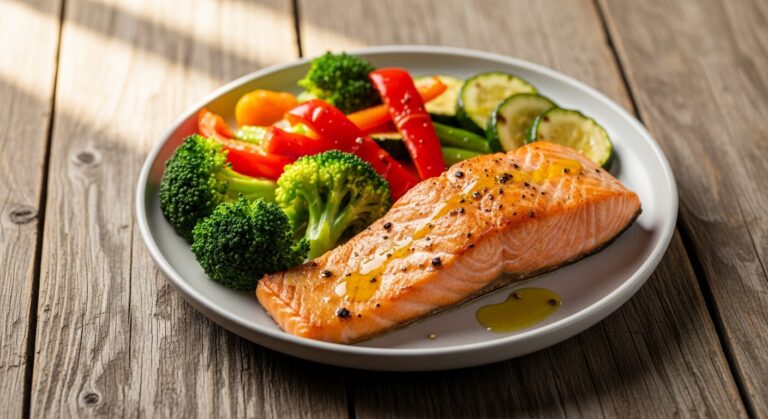
Start your meal plan by choosing a protein. This could be chicken, beans, eggs, or lentils. Once you have your protein, add vegetables and a carb like rice or bread. This method keeps your meals balanced and filling. It also makes planning easier since you follow a clear structure. You don’t need complex recipes. Simple combinations work well and save money.
Use Frozen Ingredients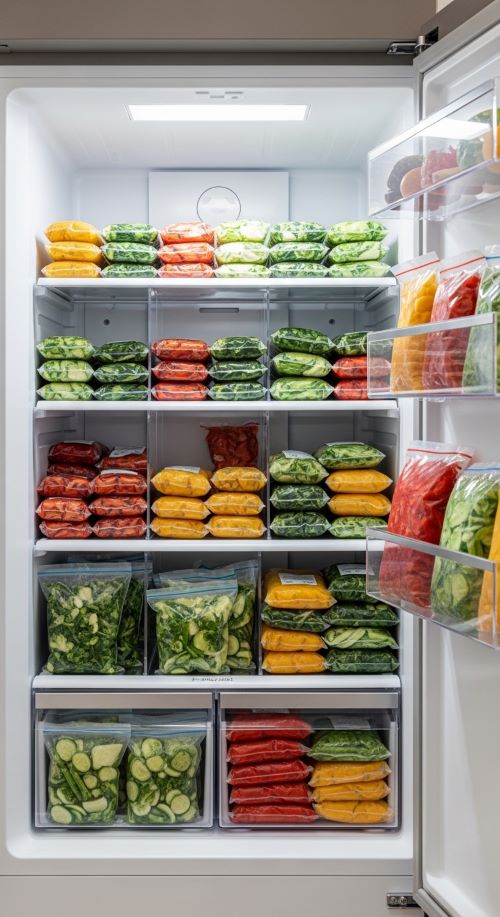
Frozen foods are a great option for beginners. They last longer and reduce waste. Frozen vegetables and fruits are often cheaper than fresh ones. They are also pre-cut, which saves time. You can add them directly to meals without extra prep. Keep a few staples in your freezer for quick meals. This makes your plan more flexible and reliable.
Plan Leftover Days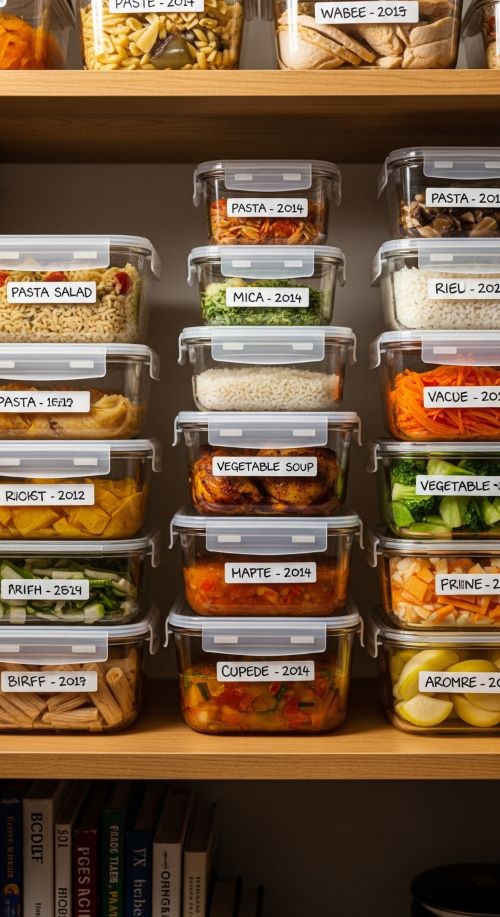
Set aside days for leftovers. This gives you a break from cooking and prevents food waste. You can reheat meals or combine leftovers into new dishes. For example, leftover chicken can become wraps or salads. Planning leftover days keeps your routine simple. It also saves time and money during the week.
Stick to a Grocery List
A grocery list keeps your shopping focused. Write down only what you need for your planned meals. This prevents impulse buying and helps you stay on budget. It also saves time in the store. Try organizing your list by sections like produce, dairy, and grains. This makes shopping faster and easier.
Cook Once for Multiple Meals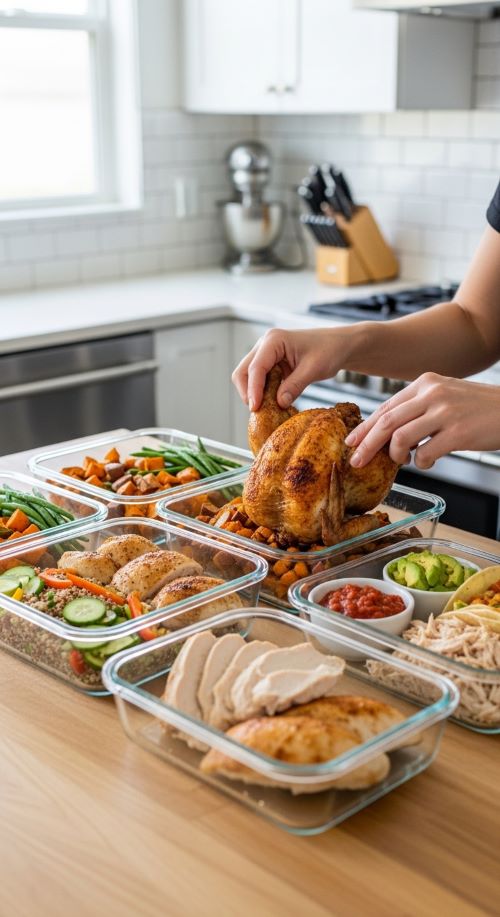
Prepare one main ingredient and use it in different ways. For example, cook a batch of chicken and use it for salads, wraps, and rice bowls. This saves time and keeps your meals varied. You don’t need to cook from scratch every day. Reusing ingredients makes meal planning more practical.
Keep Snacks Ready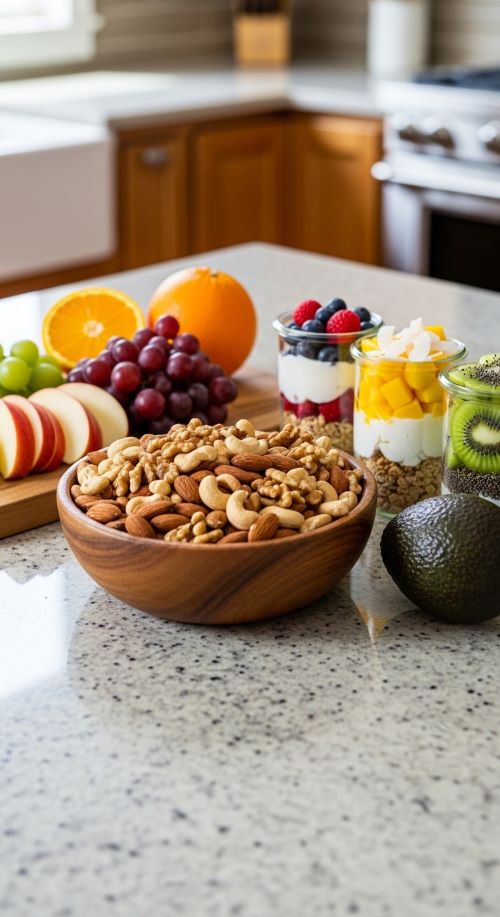
Having snacks ready helps you avoid unhealthy choices. Keep simple options like fruits, nuts, or yogurt on hand. Prepare snack portions in advance. This makes them easy to grab when you’re hungry. It also supports your meal plan by keeping you full between meals.
Try Theme Nights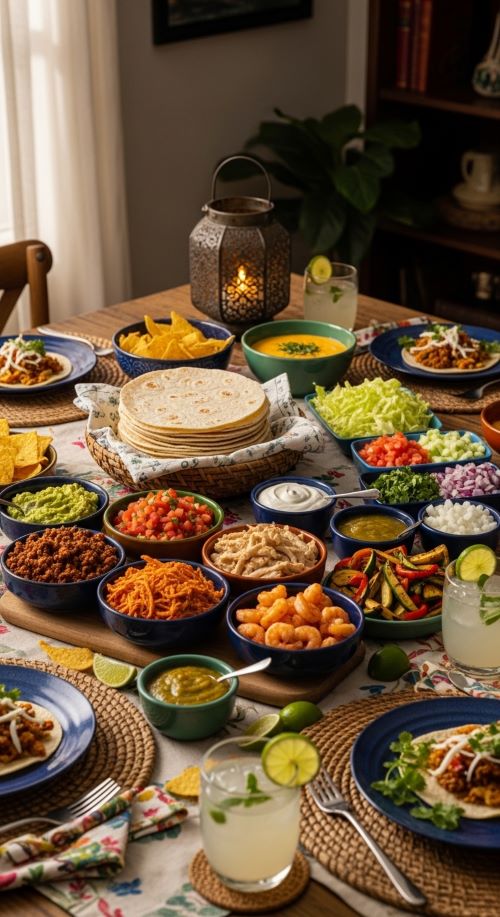
Theme nights add structure to your week. You can have pasta night, rice bowl night, or soup night. This reduces decision-making and makes planning fun. You always know what type of meal to prepare. It also helps with grocery shopping since you can group ingredients by theme.
Use Simple Recipes Only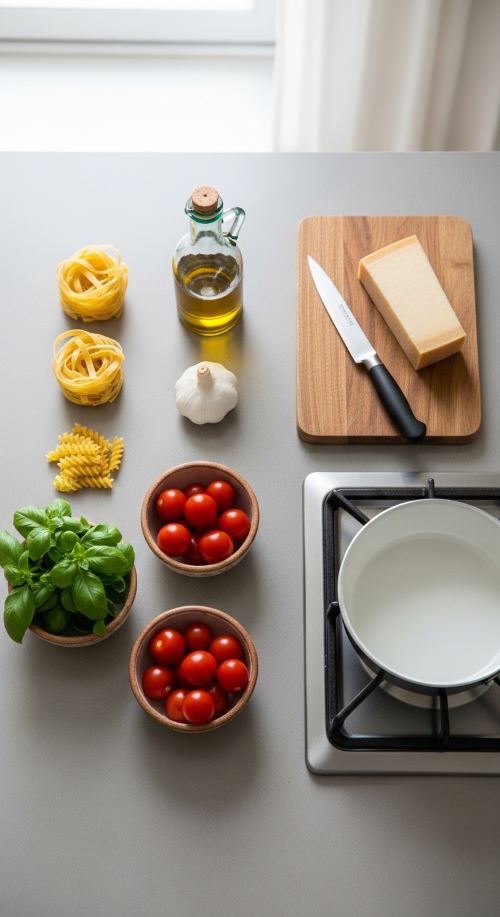
Stick to recipes with few ingredients and steps. This keeps cooking stress-free. Complex recipes can feel overwhelming and take more time. Simple meals are easier to repeat and fit better into a routine. Focus on flavor using basic spices and fresh ingredients.
Prep Lunches in Advance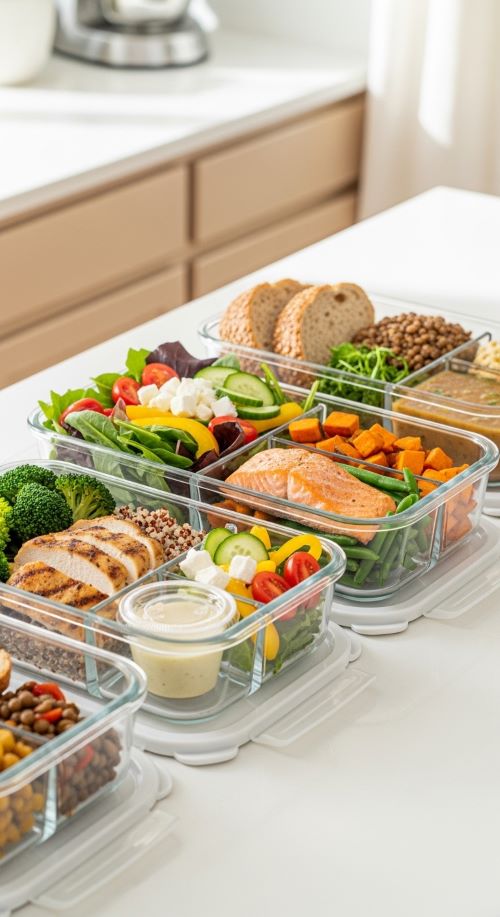
Preparing lunches ahead saves time during busy days. Pack meals in containers and store them in the fridge. This makes it easy to grab and go. It also helps you avoid expensive takeout. Keep lunches simple and balanced for the best results.
Keep a Backup Meal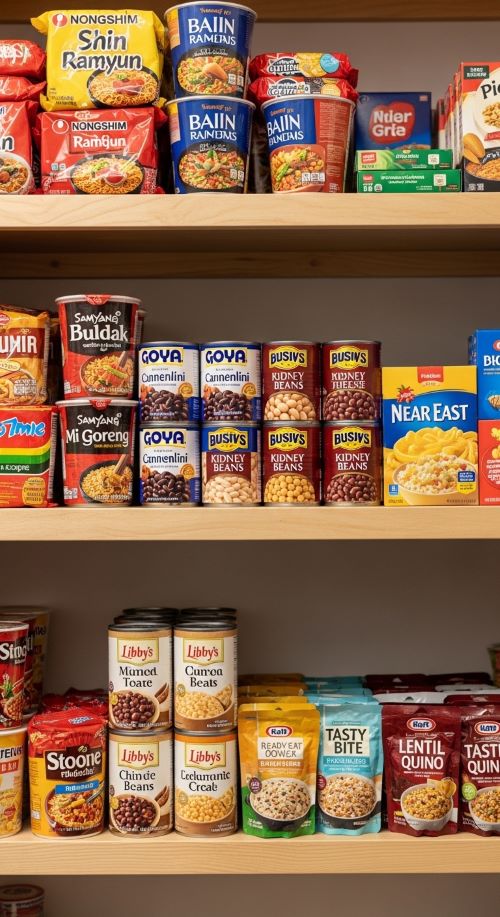
Always have a backup meal ready. This could be instant noodles, canned beans, or frozen meals. It’s useful on days when plans change. A backup option keeps you on track and prevents last-minute stress.
Shop Once a Week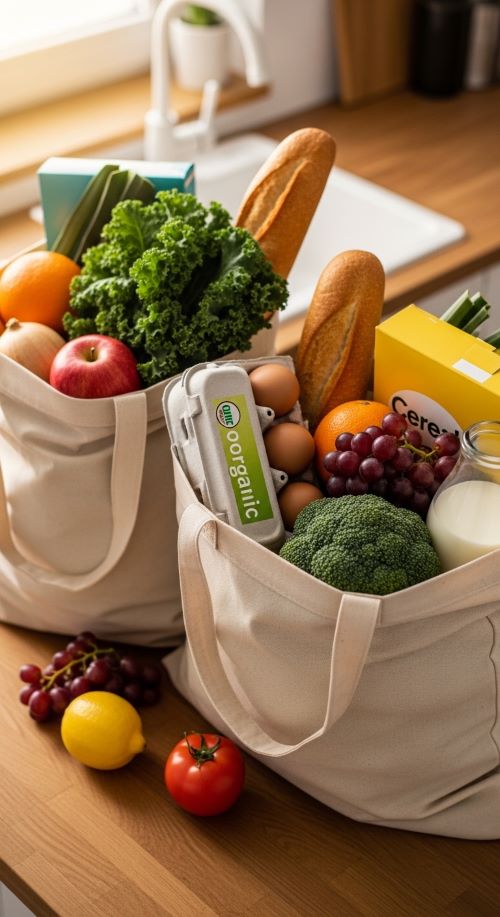
Shopping once a week saves time and keeps your routine organized. Plan your meals, make a list, and buy everything in one trip. This reduces unnecessary spending and keeps your kitchen stocked.
Keep Meals Flexible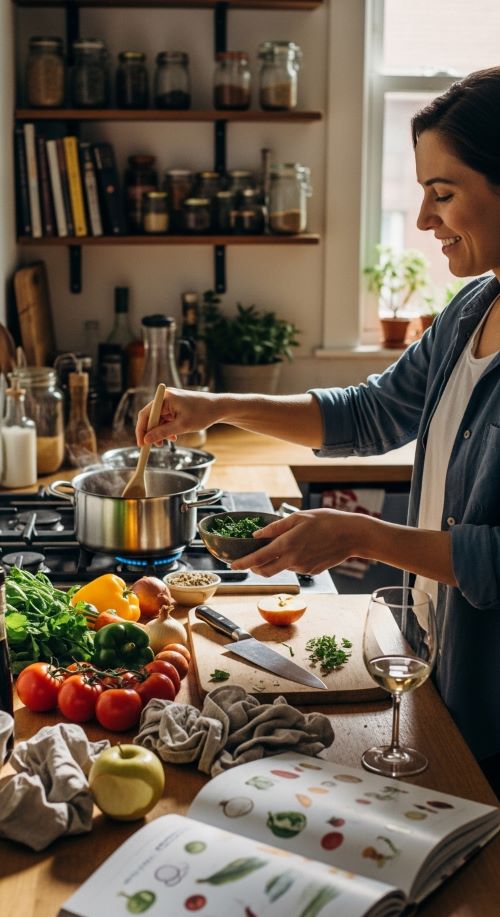
Flexibility is key when starting out. If something doesn’t go as planned, adjust your meals. Swap ingredients or change recipes based on what you have. This keeps meal planning stress-free and realistic.
Cook What You Enjoy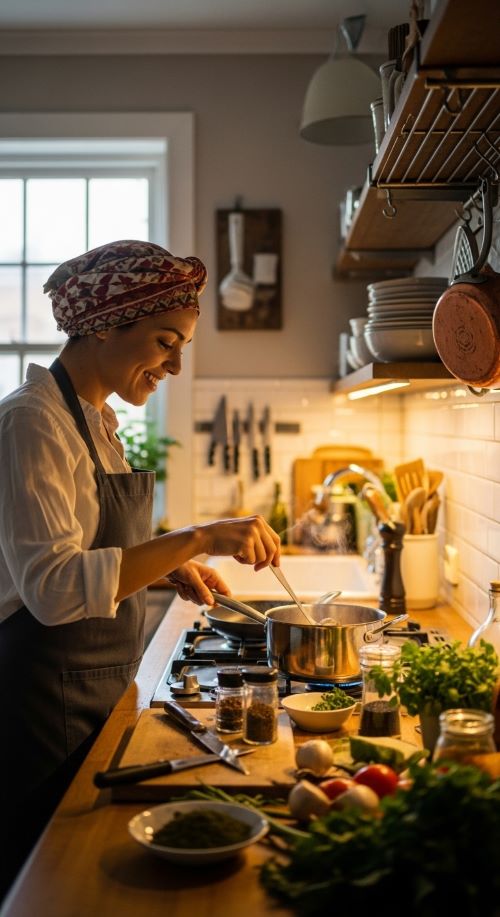
Choose meals you actually like. This makes it easier to stick to your plan. If you enjoy your food, you’re less likely to order takeout. Keep your preferences in mind when planning.
Keep Portions Balanced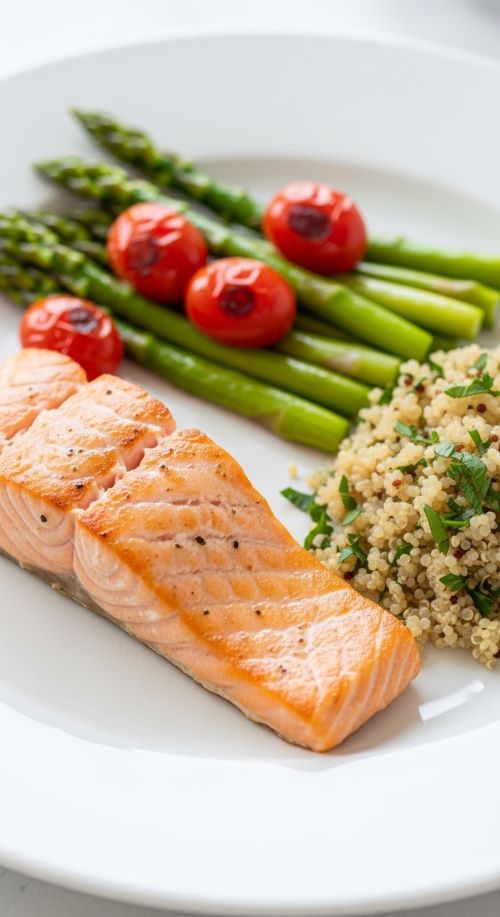
Balanced portions help you feel full and satisfied. Include protein, vegetables, and carbs in each meal. This keeps your energy steady throughout the day.
Use Basic Kitchen Tools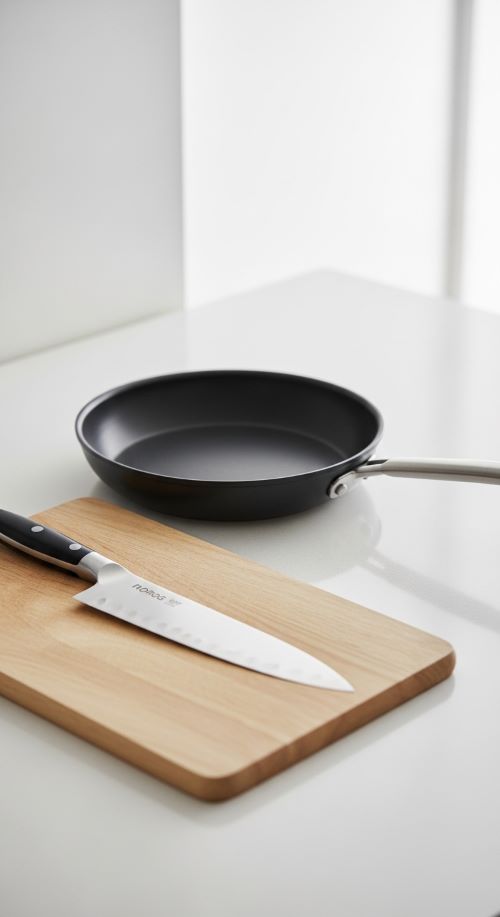
You don’t need fancy equipment. Basic tools are enough for most meals. A good knife, cutting board, and pan can handle almost everything. Keeping things simple makes cooking less intimidating.
Plan Quick Dinners for Busy Days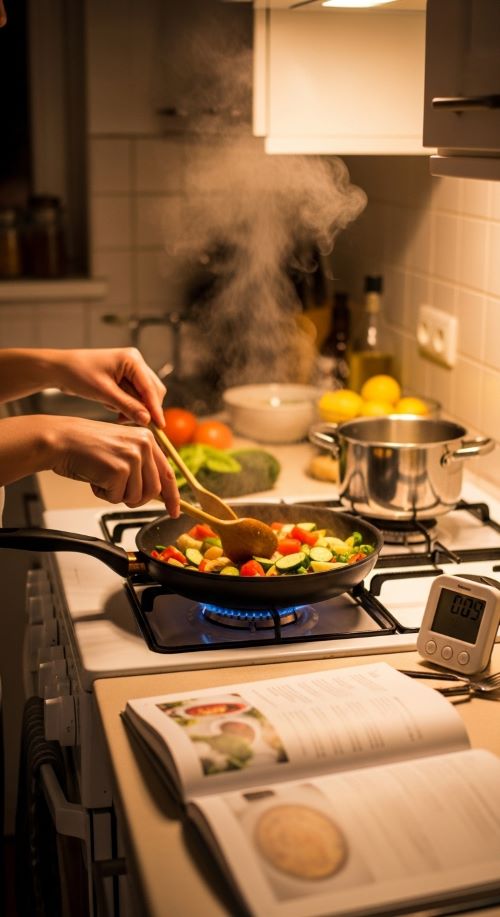
Not every meal needs to take long. Plan quick dinners for busy days. Keep recipes that take under 30 minutes. This helps you stay consistent even when time is limited.
Track What Works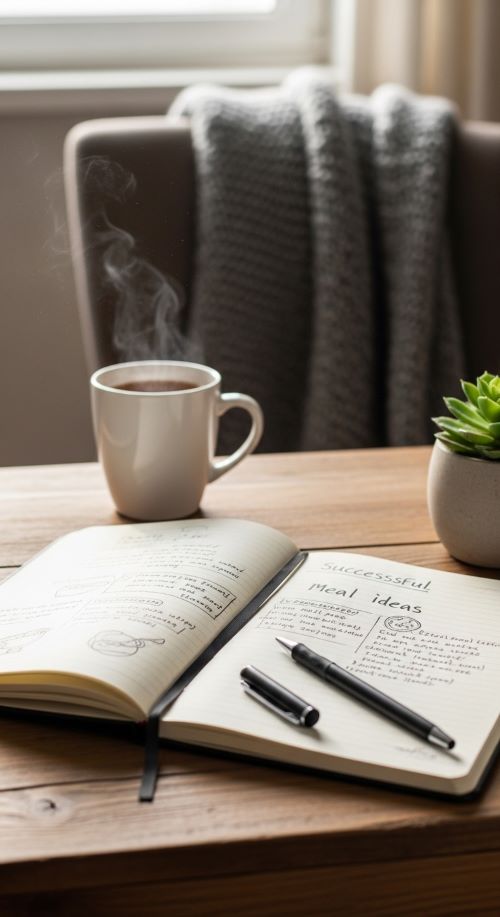
Pay attention to what works for you. Write down meals you enjoyed and found easy. This helps you improve your plan over time. You’ll build a routine that fits your lifestyle.
Start Small and Grow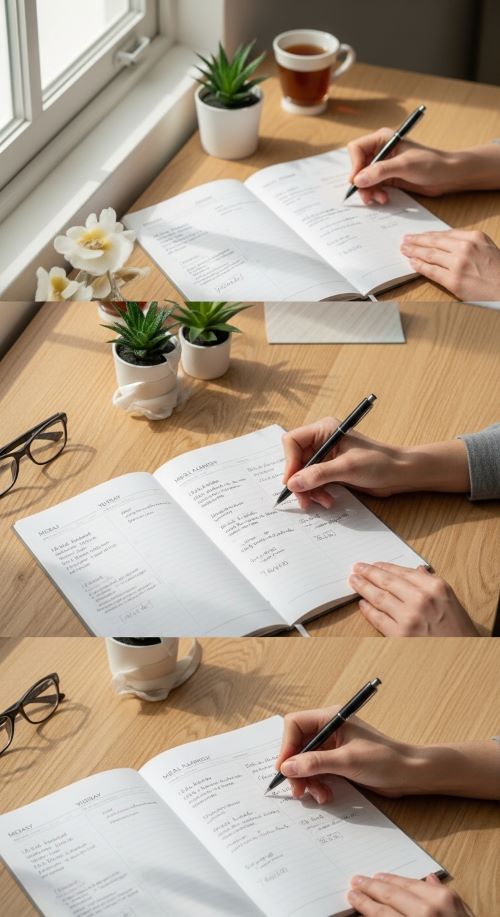
Don’t try to do everything at once. Start with a few meals and build from there. As you gain confidence, expand your plan. Small steps lead to lasting habits.
Final Words
Meal planning doesn’t have to be complicated or time-consuming. With simple steps like planning ahead, using what you already have, and keeping meals easy, you can build a routine that fits your life. Start small, stay consistent, and adjust as you go. Over time, these habits will save you time, reduce stress, and help you enjoy cooking more.