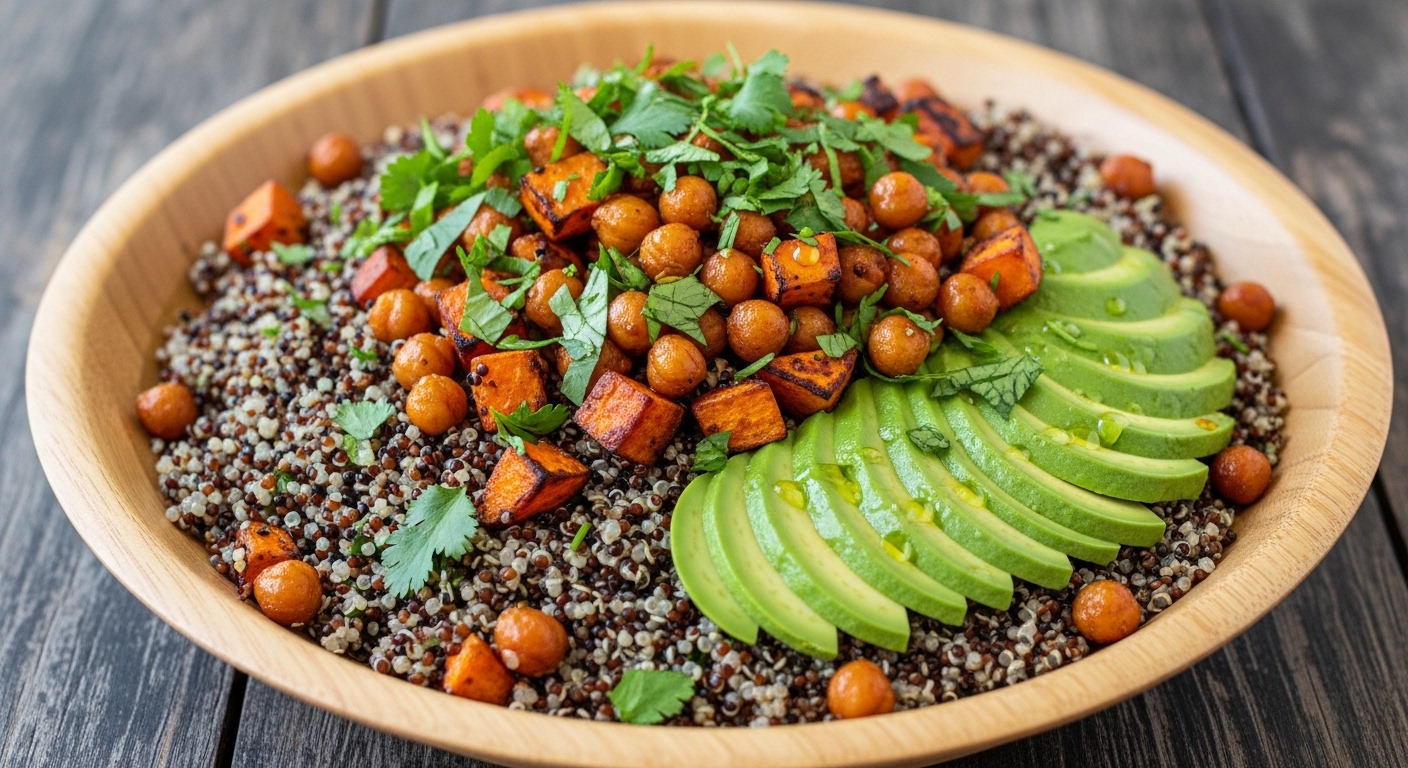
How to Make High-Fiber Recipes That Are Filling and Tasty
Eating more fiber doesn’t have to be boring. In fact, high-fiber meals can be incredibly satisfying, delicious, and perfect for keeping you full throughout the day. Whether you’re aiming to improve digestion, boost heart health, or simply feel more energized, fiber-rich recipes are your secret weapon. And the best part? They can taste just as amazing as they are nutritious.
Here’s how you can make high-fiber recipes that are both filling and full of flavor.
Choose the Right High-Fiber Ingredients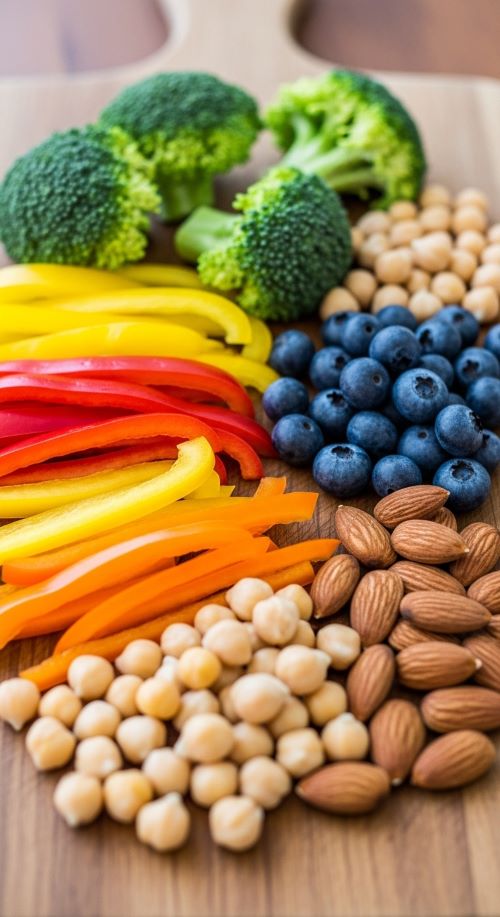
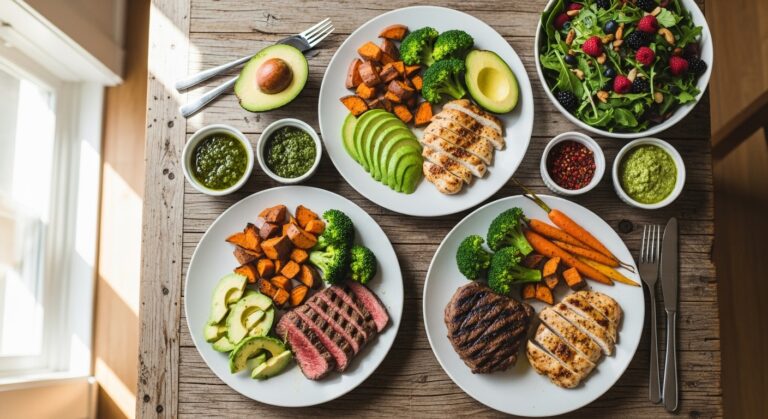
The foundation of any great high-fiber meal is using ingredients naturally packed with fiber. Legumes like lentils, chickpeas, and black beans are excellent sources. Whole grains such as quinoa, barley, brown rice, and oats add texture and nutrition. Vegetables like broccoli, Brussels sprouts, carrots, and leafy greens bring crunch and vitamins, while fruits such as berries, apples, pears, and oranges offer natural sweetness. Nuts and seeds like chia seeds, flaxseeds, almonds, and sunflower seeds round out your fiber intake.
For flavor, try mixing different textures, like crunchy seeds with soft cooked grains. Herbs and spices can boost taste without adding calories, and a splash of citrus or vinegar-based dressing can give a zesty kick.
Prep Smart to Save Time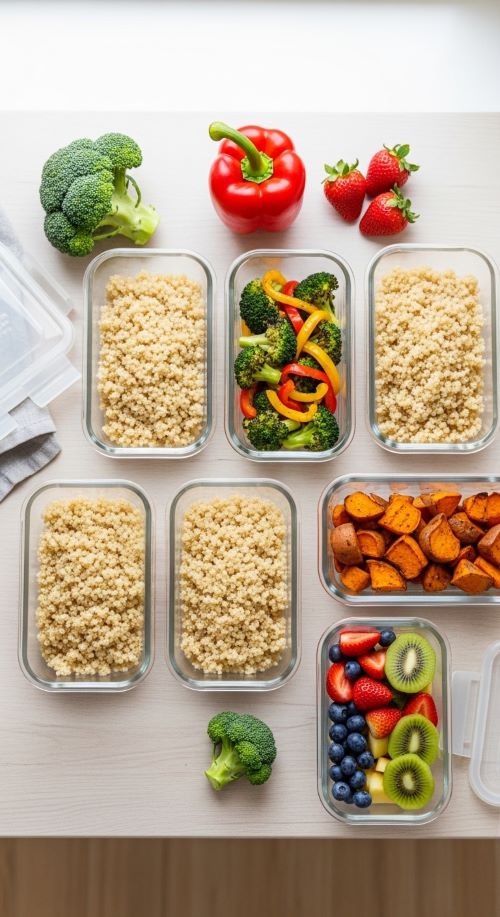
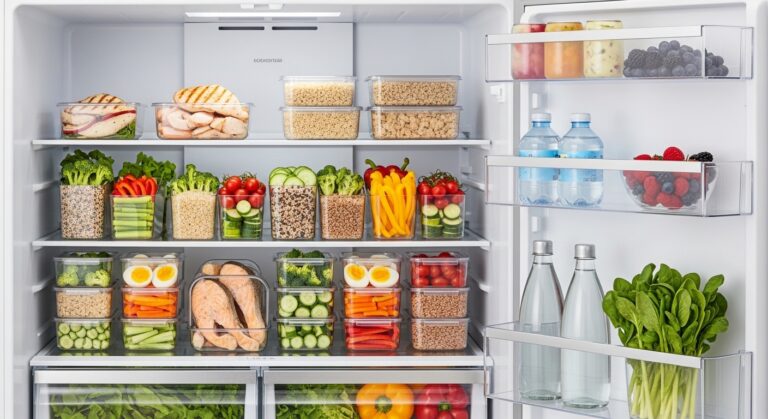
High-fiber ingredients often require a little prep, but a few tricks can make cooking faster and easier. Batch-cooking grains and beans at the start of the week saves time on busy days. Frozen vegetables are just as nutritious as fresh ones and reduce chopping time. Pre-chopping fruits and vegetables and storing them in airtight containers makes assembling meals or snacks effortless.
Quick prep means you’ll be more likely to stick with your high-fiber goals without feeling overwhelmed.
Combine Ingredients for Maximum Satiety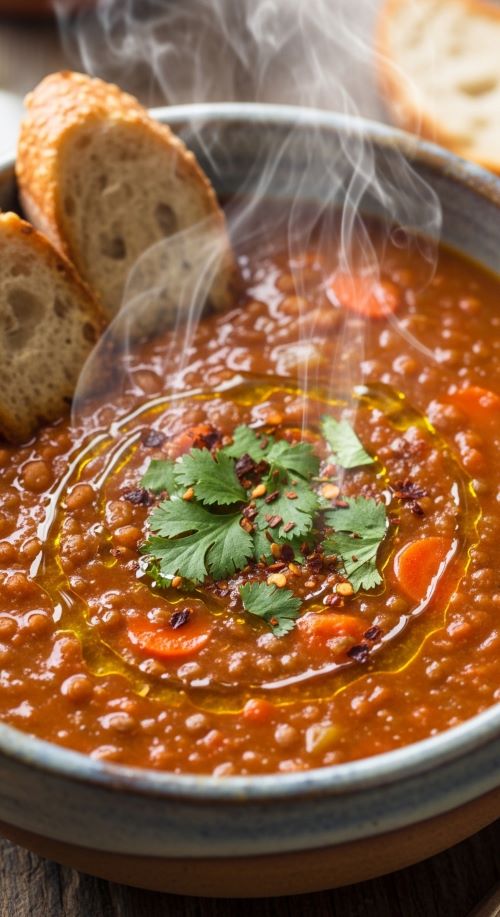
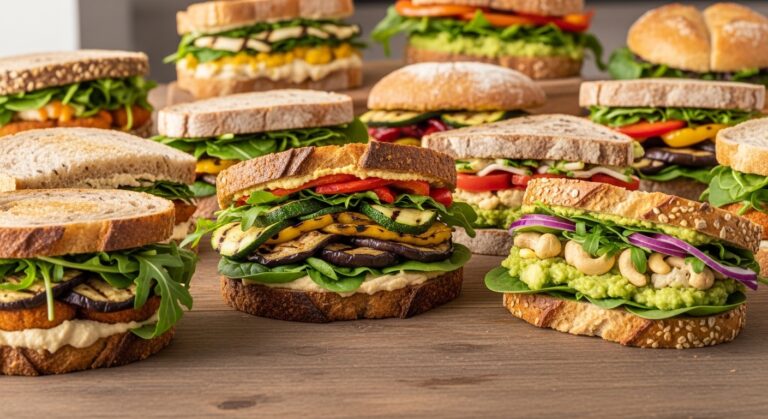
To make meals truly filling, combine fiber with protein and healthy fats. Chickpeas with avocado on whole-grain toast, oats with chia seeds, berries, and almond butter, or lentil soup with leafy greens and a drizzle of olive oil are all excellent options. Black bean tacos with sautéed peppers and whole-wheat tortillas make a tasty dinner. Adding a small handful of nuts or seeds on top adds crunch and an extra fiber boost. These combinations slow digestion, keep you full longer, and maintain steady energy levels.
Make Fiber Fun With Flavors and Textures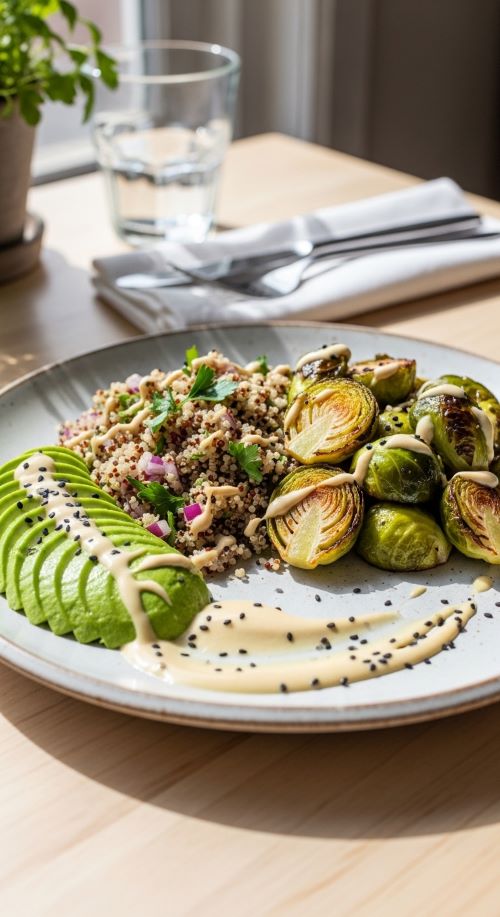
Eating fiber doesn’t mean eating bland meals. Roasting vegetables brings out natural sweetness, while spices like smoked paprika, cumin, or cinnamon can transform simple grains. Mixing raw and cooked elements, such as leafy greens with roasted veggies or beans, adds crunch and depth. Layering flavors with tahini, vinaigrettes, or yogurt-based sauces adds creaminess and excitement to every bite. Even small tweaks can make high-fiber meals crave-worthy.
Simple Meal Ideas to Get Started
High-fiber meals can be simple and satisfying. For breakfast, try overnight oats with chia seeds, raspberries, and almond butter. Lunch could be a quinoa salad with black beans, corn, red peppers, and cilantro-lime dressing. For a snack, enjoy apple slices with peanut butter and a sprinkle of flaxseeds. Dinner could be a lentil and vegetable stir-fry with garlic, ginger, and sesame oil. Start small and gradually swap out low-fiber options for these nutrient-dense alternatives.
Final Words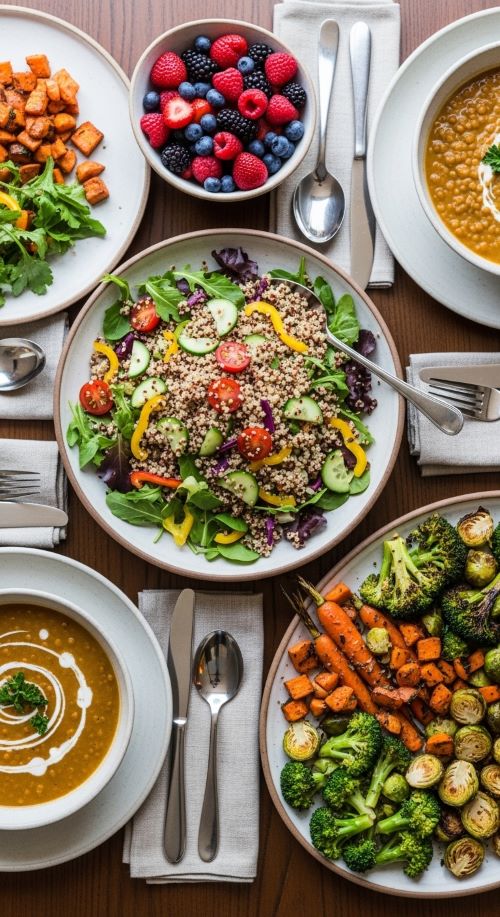
High-fiber recipes don’t have to be complicated or boring. With the right ingredients, smart prep, and flavor-packed combinations, you can enjoy meals that are both satisfying and good for your body. Save this guide and start experimenting with fiber-rich dishes—you’ll notice the energy boost and fullness almost immediately. Your taste buds and your digestive system will thank you!