How to Make Flavorful Low-Sodium Meals You’ll Love
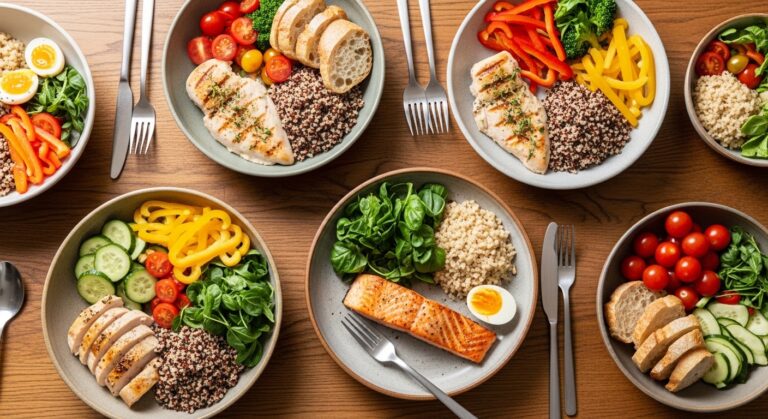
Eating low-sodium doesn’t mean sacrificing taste. In fact, with the right ingredients and techniques, you can create meals that are vibrant, satisfying, and packed with flavor. From fresh herbs to tangy spices, the possibilities are endless. Whether you’re reducing salt for health reasons or just want to explore new tastes, this guide will help you craft dishes that leave your taste buds happy.
Choose Fresh Ingredients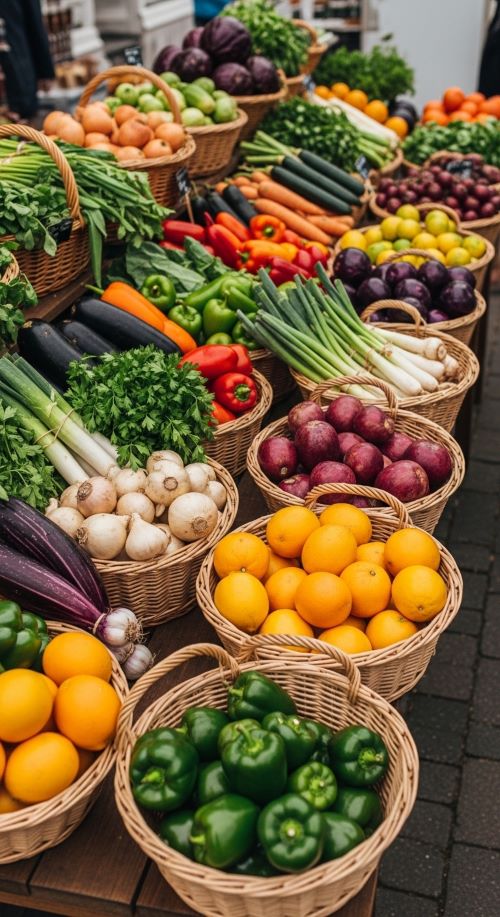
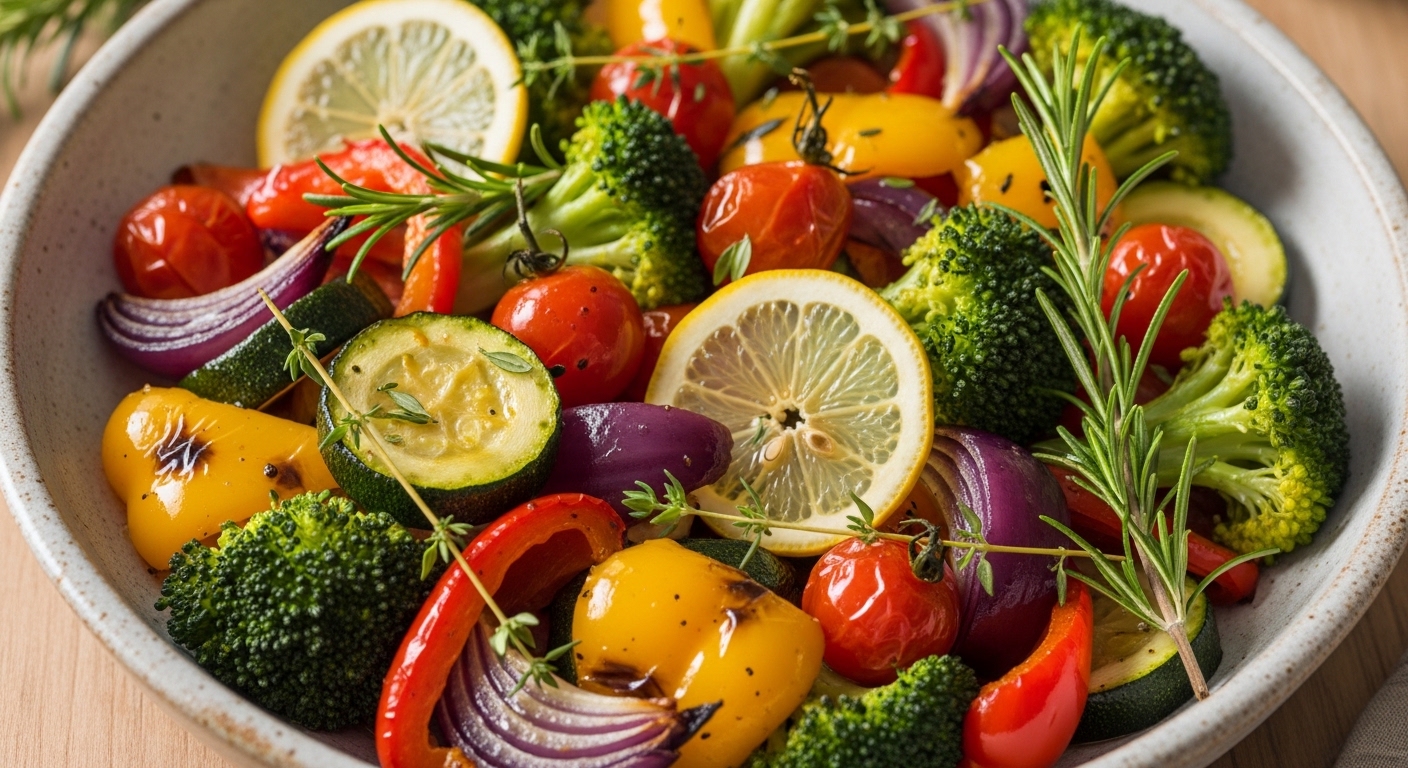
One of the simplest ways to add flavor without salt is to focus on fresh ingredients. Fresh vegetables, fruits, lean proteins, and herbs naturally bring depth to your dishes. Vegetables like bell peppers, zucchini, and tomatoes offer natural sweetness and crunch. Fresh herbs such as basil, cilantro, rosemary, and parsley can elevate even the simplest dish. Lemon, lime, and different vinegars add a tangy punch that makes flavors pop.
Freshness really impacts flavor intensity, so buy organic or locally grown produce when possible.
Use Spices and Aromatics Liberally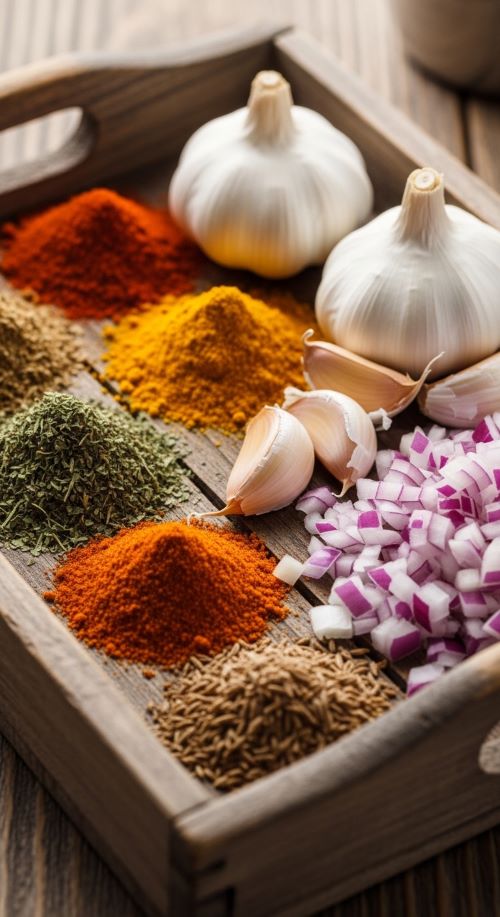
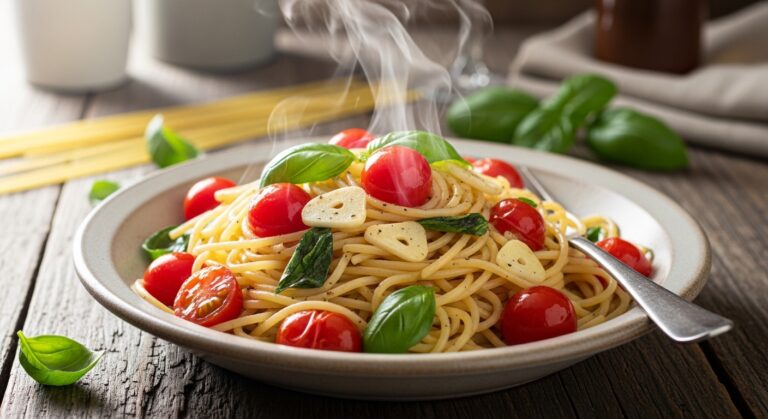
Spices and aromatics are your secret weapon for low-sodium cooking. They create bold flavors without adding any salt. Garlic and onion, whether fresh, roasted, or sautéed, add savory depth. Cumin, smoked paprika, turmeric, and chili powder can transform a simple protein into a flavor-packed dish. Pepper and chili flakes add a little heat to wake up your palate.
Toasting whole spices lightly in a dry pan before using them enhances their aroma and flavor.
Embrace Umami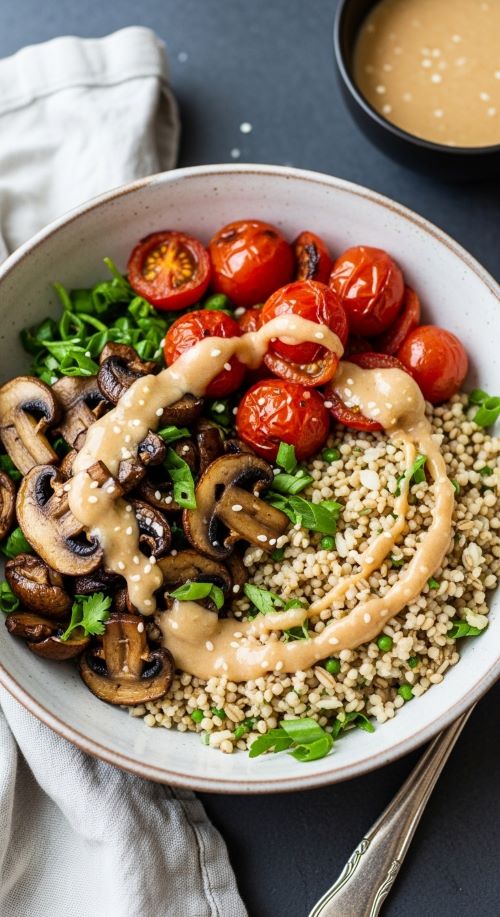
Umami is the “savory” flavor that can trick your taste buds into thinking your dish is salty, even when it isn’t. Incorporating umami-rich ingredients adds depth to low-sodium meals. Sautéed mushrooms release a rich, meaty flavor, while sun-dried or roasted tomatoes pack concentrated umami. Fermented foods such as low-sodium soy sauce, miso, or pickled vegetables bring complexity to your meals.
A small amount goes a long way—start with a teaspoon or two and adjust to taste.
Experiment with Cooking Techniques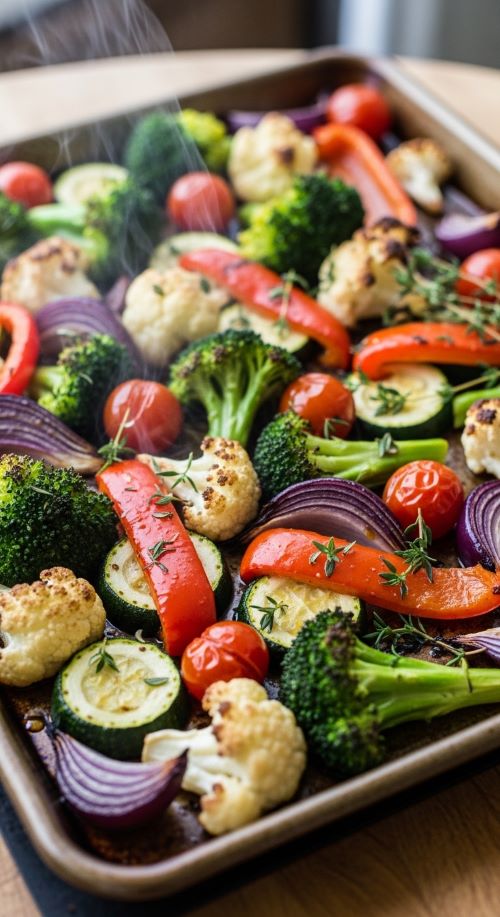
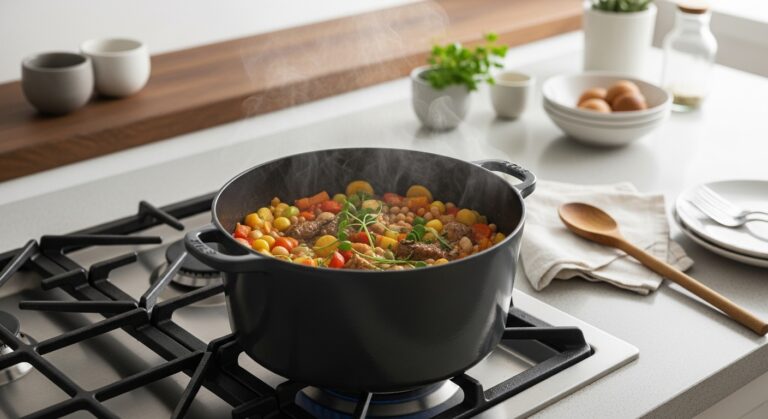
How you cook your food can change its flavor profile dramatically. Low-sodium meals benefit from methods that enhance natural tastes. Roasting caramelizes vegetables, bringing out their natural sweetness. Grilling adds smoky flavor without salt, and slow cooking intensifies flavors in soups, stews, and braises.
Don’t forget to layer flavors—start with aromatics, then add spices, and finish with fresh herbs or citrus juice. This creates a multi-dimensional taste experience.
Add Texture for Interest
Low-sodium meals can feel more exciting when you focus on texture. Toasted almonds, pumpkin seeds, or sesame seeds add crunch, while legumes like chickpeas or lentils provide hearty texture and protein. Air-fried or oven-roasted vegetables can replace salty chips or croutons.
Combine textures in a single plate—soft grains, tender vegetables, and crunchy toppings make every bite interesting.
Balance Flavors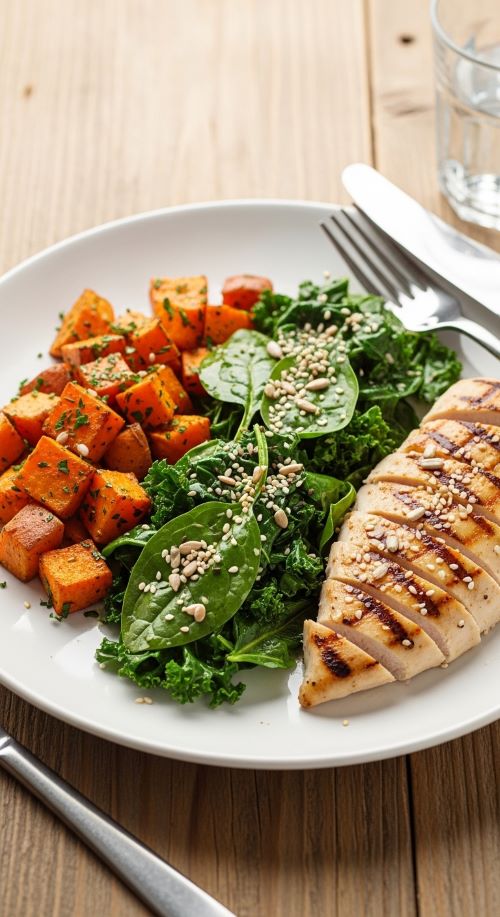
A truly flavorful dish balances the five tastes: sweet, sour, bitter, salty, and umami. Even with less sodium, you can achieve balance by layering other flavor elements. Add a touch of natural sweetness with fruits like apples, pears, or roasted carrots. Vinegars, lemon juice, and fermented foods brighten dishes, while leafy greens or radicchio add bitter contrast. Mushrooms, tomatoes, and miso provide depth.
Taste as you go, adjusting flavors gradually, and aim for harmony rather than overpowering one element.
Final Words
Eating low-sodium doesn’t mean boring meals. By focusing on fresh ingredients, bold spices, umami-rich foods, varied textures, and balanced flavors, you can create dishes that are both healthy and irresistibly delicious. Start experimenting with these techniques today—you might even find your new favorite recipes.