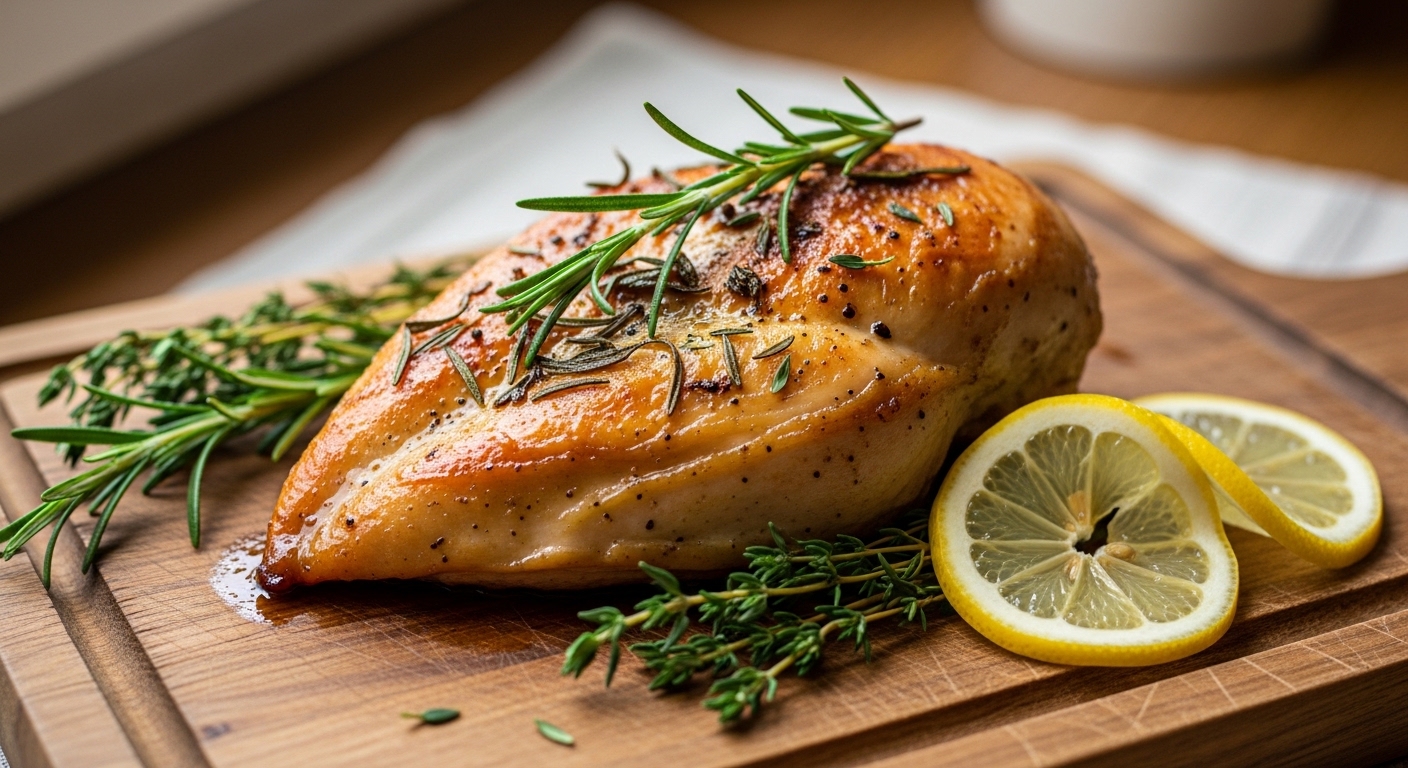
How to Make Baked Chicken That’s Juicy and Flavorful
Baked chicken often gets labeled as healthy but dull — dry, plain, and uninspiring. The truth is completely different. When prepared correctly, baked chicken can be incredibly juicy, deeply flavorful, and satisfying enough to become a weekly favorite.
The good news? You don’t need complicated techniques or professional skills. A few smart cooking habits can transform simple chicken into a delicious meal every time.
Choose the Right Chicken Cut
The first step toward juicy baked chicken begins before cooking even starts. The cut of chicken you choose plays a major role in the final texture and flavor.
Chicken breasts are lean and popular but can dry out quickly if overcooked. Chicken thighs naturally contain more fat, making them tender and forgiving in the oven. Bone-in pieces retain moisture better and develop deeper flavor, while skin-on chicken creates a crispy outer layer that locks juices inside.
If you want consistent success, bone-in, skin-on thighs are often the easiest option. Another important tip is allowing chicken to rest at room temperature for about fifteen to twenty minutes before baking. Cold chicken placed directly into the oven cooks unevenly and may become tough.
Gather Simple Flavor-Packed Ingredients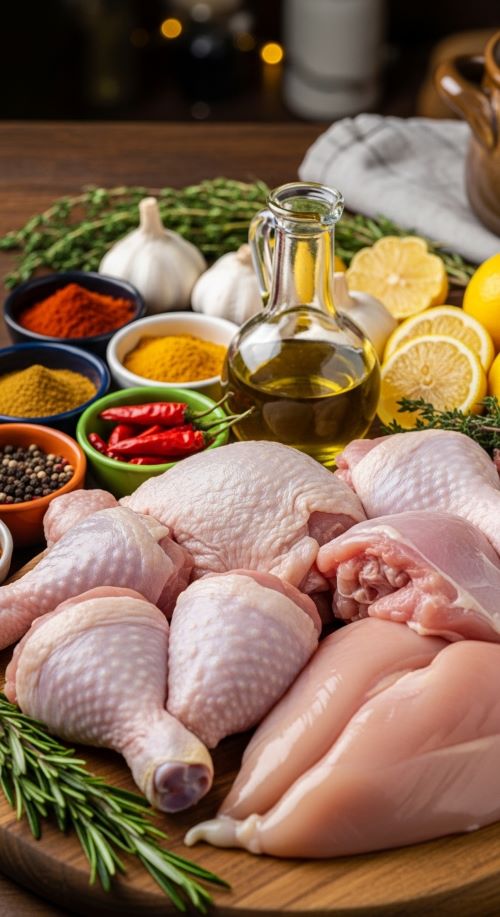
Flavorful baked chicken doesn’t require a long ingredient list. In fact, simple pantry spices often deliver the best results.
Start with chicken pieces, olive oil or melted butter, garlic powder, paprika, salt, black pepper, onion powder, and dried herbs such as oregano or thyme. A splash of lemon juice adds brightness and balances richness. Optional additions like honey, chili flakes, Dijon mustard, or fresh herbs can elevate flavor even further.
Coating the chicken lightly with oil is essential because it helps seasoning adhere evenly while protecting the meat from drying out during baking.
Season Chicken the Right Way
Proper seasoning is where great baked chicken truly begins. Many people simply sprinkle spices on top, but flavor develops best when seasoning covers every surface.
Begin by patting the chicken dry with paper towels. Removing excess moisture allows better browning in the oven. Next, rub the chicken with olive oil or butter, then apply the seasoning mixture generously. If your chicken has skin, gently lift it and season underneath so flavor reaches the meat itself rather than staying only on the surface.
If time allows, marinating the chicken for thirty minutes or even overnight makes a noticeable difference. A simple marinade of oil, lemon juice, garlic, and spices allows the flavors to penetrate deeply and helps keep the meat tender.
Bake at the Perfect Temperature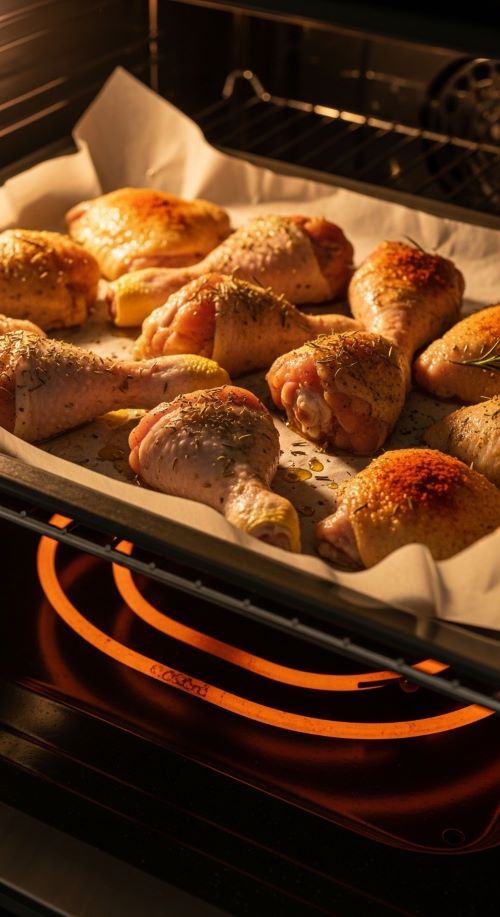
Temperature control is the most important factor in preventing dry chicken. Baking at too low a temperature causes the meat to slowly lose moisture, while proper heat seals juices inside.
Preheat your oven to 400°F (200°C) before placing the chicken inside. Arrange the pieces on a baking sheet or in an oven-safe dish, leaving space between them so hot air can circulate evenly. Cooking uncovered allows the exterior to brown beautifully.
Chicken breasts typically cook in about twenty to twenty-five minutes, while thighs and bone-in pieces require closer to thirty-five to forty-five minutes. The most reliable way to know when chicken is done is by using a meat thermometer. The internal temperature should reach 165°F (75°C). Removing the chicken at this point ensures it stays moist rather than overcooked.
The Secret Trick for Juicy Chicken
One of the most overlooked steps in cooking chicken happens after it leaves the oven. Resting the meat is essential for retaining moisture.
Allow the baked chicken to rest for five to ten minutes, loosely covered with foil. During this time, the juices redistribute throughout the meat instead of spilling out when sliced. Cutting immediately after baking releases those juices and results in dry chicken, even if it was cooked perfectly.
Add Flavor While Baking
Baked chicken becomes even more delicious when flavor develops directly in the pan. Adding sliced lemons, onions, or garlic cloves allows natural juices to mingle and create a richer taste.
Brushing the chicken with garlic butter halfway through cooking enhances richness, while a light drizzle of honey during the final minutes creates a subtle caramelized glaze. Roasting vegetables alongside the chicken also turns the dish into a complete meal, as the vegetables absorb savory juices released during baking.
How to Get Crispy, Golden Skin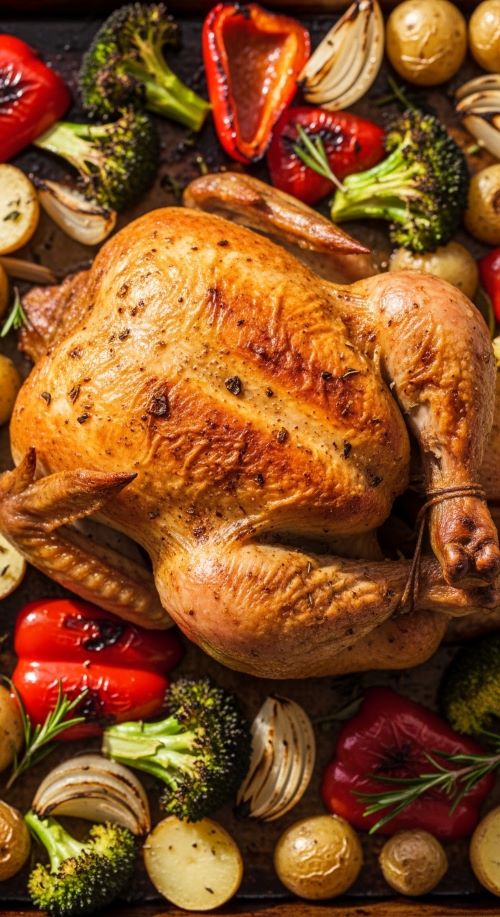
Crispy skin is often what separates average baked chicken from restaurant-quality results. Achieving that golden texture requires a few simple adjustments.
The chicken should bake skin-side up so heat directly crisps the surface. Ensuring the skin is completely dry before seasoning helps it brown properly. Avoid overcrowding the pan because trapped steam prevents crispness. For extra crunch, switch the oven to broil for two to three minutes at the end of cooking while watching closely to prevent burning.
Common Mistakes to Avoid
Dry baked chicken usually comes down to small but important mistakes. Overbaking is the most common issue, followed by skipping seasoning beneath the skin or cooking chicken straight from the refrigerator. Not preheating the oven and slicing the chicken immediately after baking can also ruin texture and flavor. Paying attention to these details dramatically improves results.
Serving Ideas Everyone Loves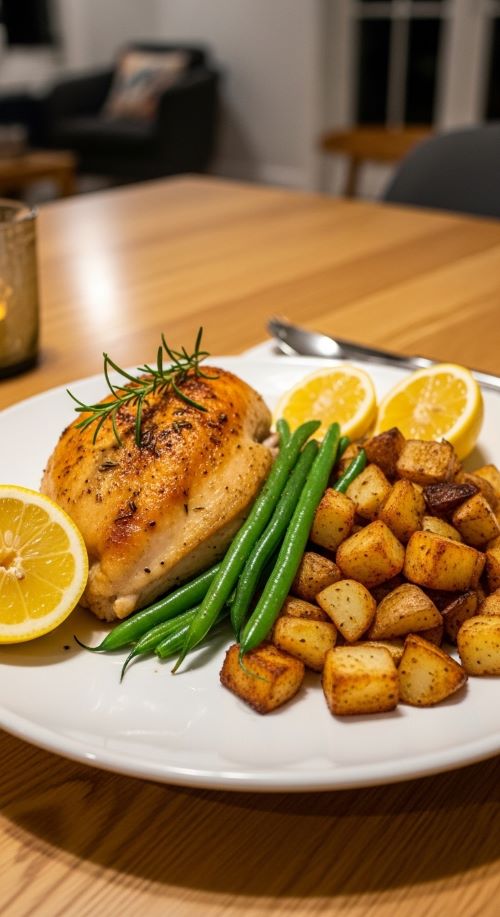
Juicy baked chicken pairs effortlessly with many side dishes and works well for both family dinners and meal prep. It complements roasted potatoes, garlic rice, fresh salads, steamed vegetables, creamy mashed potatoes, or warm bread. Leftover baked chicken can easily be transformed into wraps, sandwiches, pasta dishes, or protein-packed lunch bowls.
Final Words
Perfect baked chicken isn’t about complicated recipes or expensive ingredients. It comes down to thoughtful preparation, proper temperature, and patience after cooking. Choosing the right cut, seasoning generously, baking at high heat, checking internal temperature, and allowing the chicken to rest all work together to create tender, flavorful results.
Save this recipe for later, try it in your own kitchen, and enjoy baked chicken that turns out juicy, golden, and delicious every single time.