How to Make Homemade Sauces That Elevate Any Meal
A great sauce can completely transform a simple dish into something unforgettable. Plain pasta becomes restaurant-worthy, grilled chicken feels gourmet, and roasted vegetables suddenly steal the spotlight. The best part? You don’t need fancy culinary training or hard-to-find ingredients to create incredible sauces at home.
Homemade sauces are fresher, customizable, and surprisingly easy once you understand a few basics. Whether you love creamy, tangy, spicy, or herb-packed flavors, learning how to make your own sauces is one of the most powerful kitchen skills you can develop.
Let’s explore how you can start making sauces that instantly elevate any meal.
Start with the Sauce Basics
Every great sauce begins with a foundation. Once you understand the basic structure, creating sauces becomes intuitive rather than complicated.
Most sauces rely on a balance of fat, flavor, liquid, thickness, and seasoning. Fat adds richness and mouthfeel, whether it comes from butter, olive oil, or cream. Flavor bases such as garlic, onion, herbs, and spices create depth. Liquids like broth, milk, tomatoes, or citrus help carry flavor throughout the dish. A thickener gives body, while seasoning ties everything together.
The secret is tasting as you cook. Small adjustments throughout the process allow you to shape the sauce exactly the way you want it.
Stock Your Kitchen with Sauce-Friendly Ingredients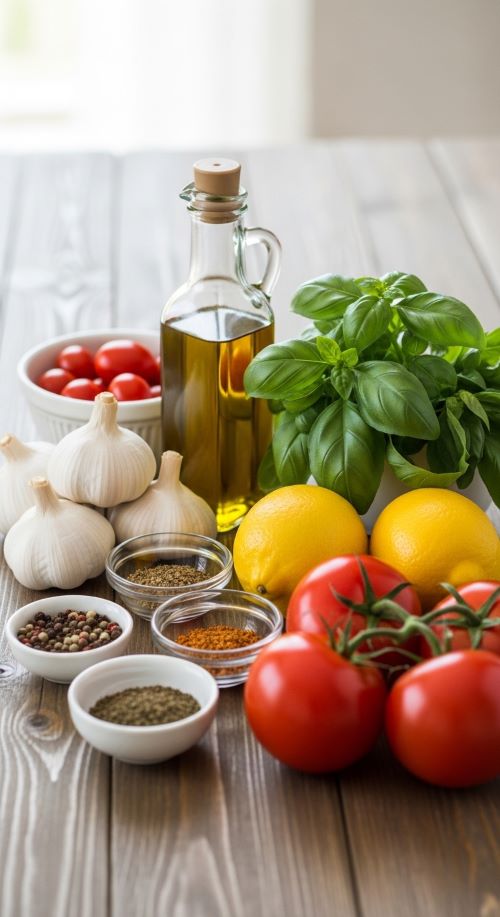
Having versatile ingredients on hand makes homemade sauces effortless. When your kitchen is stocked with essentials, you can build flavor quickly without planning ahead.
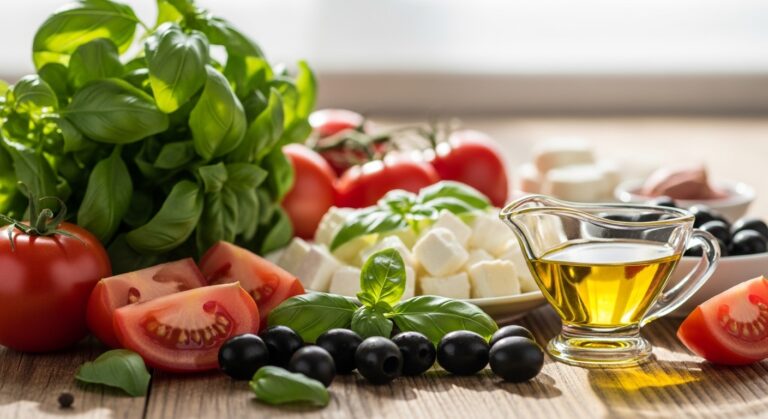
Simple staples like garlic, onions, olive oil, canned tomatoes, herbs, lemon juice, vinegar, cream, and flavorful condiments make it possible to prepare dozens of sauces using what you already have. These ingredients work together to create both comfort-food classics and fresh modern flavors.
Once these basics become part of your routine shopping list, sauce-making turns into a spontaneous and enjoyable part of cooking.
Master Three Easy Base Sauces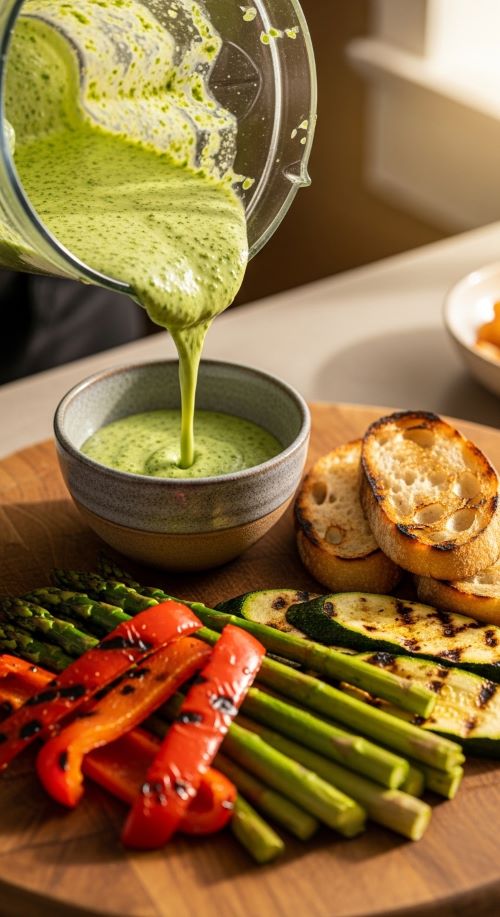
Instead of memorizing long recipes, focus on learning a few foundational sauces. These act as templates you can customize endlessly.
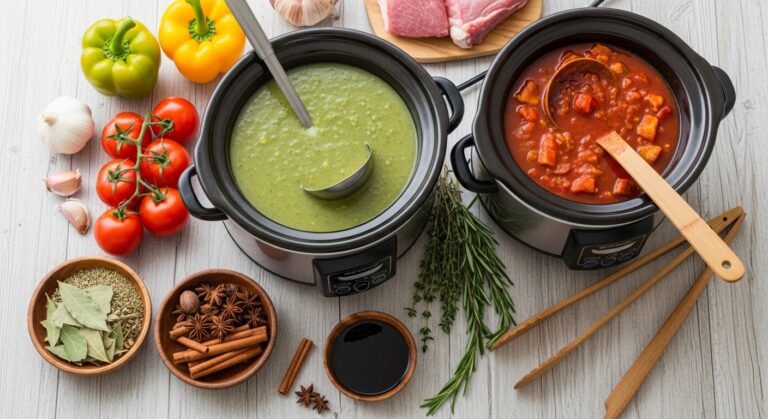
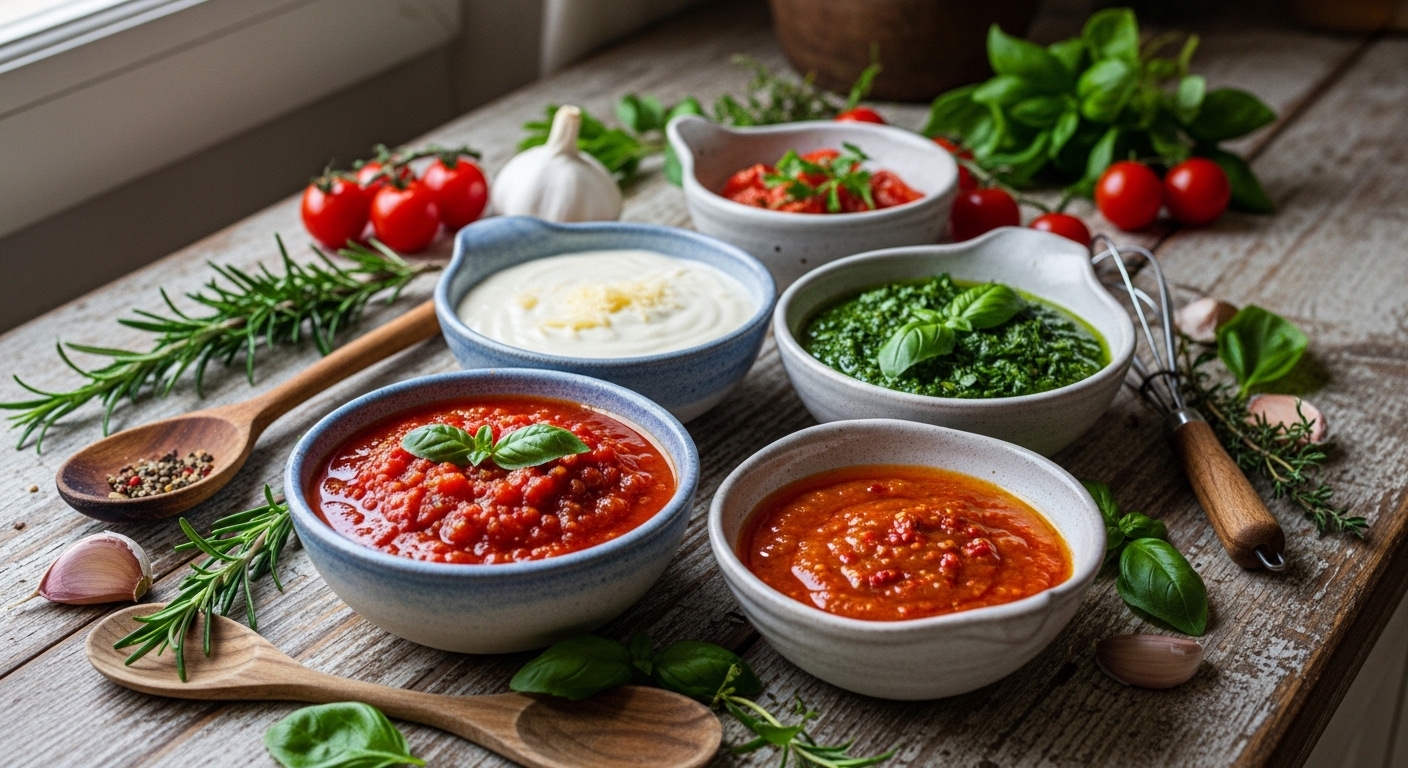
A classic tomato sauce starts by gently sautéing garlic in olive oil until fragrant. Crushed tomatoes are added and allowed to simmer slowly so the flavors deepen. After seasoning with salt, pepper, and herbs, the sauce becomes a versatile base suitable for pasta, pizza, or dipping. Adding butter creates richness, chili flakes add heat, and blending creates a smoother finish.
A creamy white sauce, often called a béchamel-style sauce, begins with melted butter combined with flour to form a paste. Milk is whisked in gradually until the mixture thickens into a silky texture. From here, it easily transforms into cheese sauce, garlic cream sauce, or a comforting casserole base depending on what you add.
A fresh herb sauce offers brightness and freshness. Blending herbs with olive oil, garlic, lemon juice, and seasoning produces a vibrant sauce perfect for grilled meats, vegetables, sandwiches, or grain bowls.
Learning these three sauces gives you a strong foundation for nearly endless variations.
Learn the Secret to Balanced Flavor
The difference between a good sauce and an unforgettable one is balance. Professional cooks constantly adjust flavor rather than relying strictly on measurements.
A well-balanced sauce contains harmony between saltiness, acidity, sweetness, richness, and sometimes heat. If a sauce tastes flat, it usually needs contrast rather than more ingredients.
A squeeze of lemon can brighten heavy flavors. A touch of butter softens excessive acidity. A hint of sweetness balances sharp vinegar or tomato sauces. Understanding these relationships helps you fix problems quickly without starting over.
Cooking becomes far less stressful once you realize sauces are flexible and forgiving.
Final Words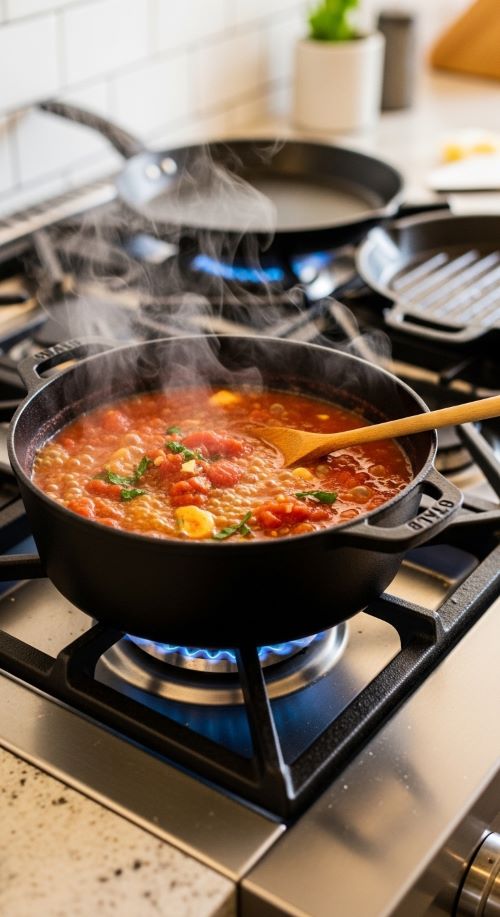
Technique plays a major role in developing depth and complexity. Even simple sauces benefit from a few professional habits.
Cooking aromatics such as garlic or onions before adding liquid builds a flavorful foundation. Allowing sauces to simmer uncovered reduces excess moisture and intensifies taste naturally. Finishing a sauce with a small amount of butter or olive oil adds shine and richness similar to restaurant dishes.
Fresh herbs should be added near the end of cooking so their flavor stays vibrant instead of muted by heat.